
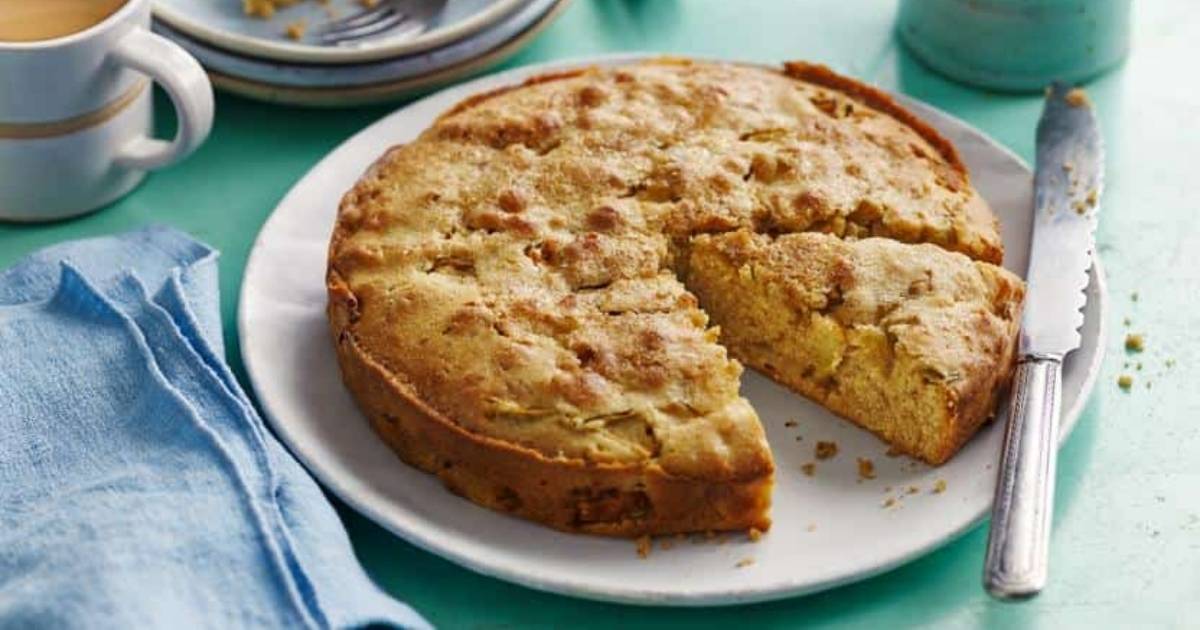
There’s something deeply comforting about the smell of apples and cinnamon drifting through your kitchen on a quiet afternoon. It wraps around you like a warm hug. And if you’ve ever wondered how to nail that perfectly moist, golden, old-fashioned apple cake that tastes like it came straight from a British grandmother’s kitchen, you’re in the right place.
Mary Berry has been baking for decades. She’s not just a TV personality. She’s a trusted voice in British home baking, and her apple cake recipe carries that same warmth, simplicity, and reliability she’s always been known for. Whether you’re baking for a Sunday family gathering, an afternoon tea spread, or simply because you’ve got a bag of apples sitting on the counter, this recipe delivers every single time.
What Makes This Mary Berry Apple Cake So Special?
Most apple cakes fall into one of two traps. They’re either too dense and stodgy, or they dry out before the day is done. Mary Berry’s approach sidesteps both problems with a beautifully balanced batter that stays soft, holds moisture, and carries a gentle spiced warmth without overwhelming the natural sweetness of fresh apples.
What sets it apart is the technique. Creaming the butter and sugar properly creates air pockets that give the sponge its lift. The apples aren’t just tossed in randomly. They’re layered or folded in thoughtfully so every slice gets that juicy, tender bite. It’s a traditional UK baking recipe that doesn’t ask you to be a professional. It just asks you to pay attention.
Why You’ll Love This Classic British Apple Cake
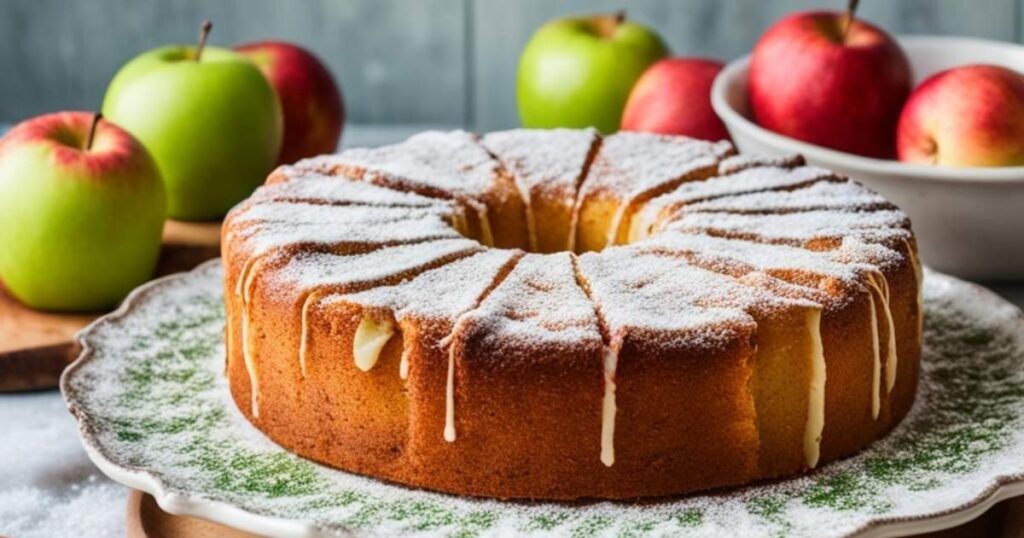
You don’t need a fancy stand mixer or a shelf full of specialist ingredients. This is a classic British apple cake in the truest sense. It’s unfussy, reliable, and genuinely delicious.
It works for beginners. It works for seasoned home bakers. It comes together in one bowl if you’re careful about the order of ingredients, and it bakes up with a soft crumb texture that practically melts in your mouth. It’s the kind of cake you bring to a friend’s house and everyone asks for the recipe. That never gets old.
It’s also incredibly versatile. Swap the apples for pears on a whim. Add a handful of walnuts. Dust the top with flaked almonds for a bit of crunch. The base recipe is solid enough to handle your creative detours without falling apart.
Read More: Delicious Mary Berry Red Cabbage & Apple Recipe Made Easy
Ingredients You Need for the Perfect Apple Sponge
Here’s what you’ll need for a 20cm round cake:
- 225g self-raising flour
- 175g caster sugar
- 175g unsalted butter, softened
- 3 large eggs
- 1 teaspoon baking powder
- 1 teaspoon mixed spice or cinnamon
- 2 medium eating apples, peeled, cored, and diced
- 2 tablespoons demerara sugar (for topping)
- 50g flaked almonds (optional but highly recommended)
- 1 teaspoon vanilla extract
Every ingredient plays a role. The self-raising flour already contains a leavening agent, so you don’t need to overthink the rise. The demerara sugar on top caramelises during baking and gives you that irresistible golden crust. And the mixed spice, which is a staple in British baking, adds that warm depth without being as punchy as straight cinnamon.
Best Apples to Use for Baking Apple Cake
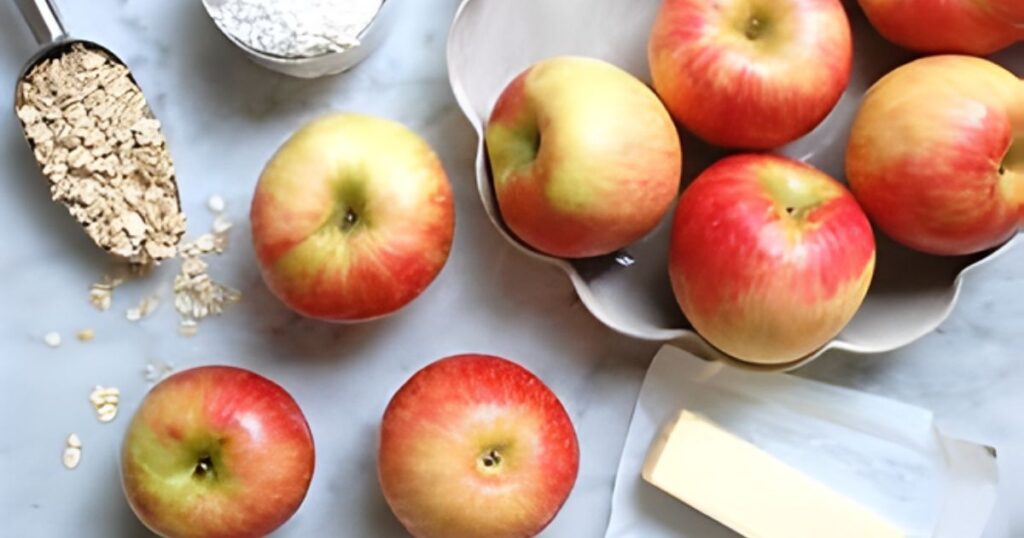
This is where a lot of home bakers go wrong. Not every apple behaves the same way in the oven. Softer eating varieties like Braeburn, Cox, or Golden Delicious are your best friends here. They soften beautifully during baking, release just enough moisture to keep the crumb tender, and hold a subtle sweetness that doesn’t need extra sugar to shine.
Bramley apples, the classic British cooking apple, can work. But they’re quite tart and break down into a near-puree texture. If you use them, reduce your sugar slightly and be prepared for a more rustic, jam-like apple layer rather than distinct chunks. Granny Smith apples are another option if you like a bit of tartness cutting through the sweetness of the sponge.
Avoid Red Delicious or overly watery apples. They can make the batter soggy and throw off your bake.
Essential Kitchen Tools for Success
You don’t need much. A large mixing bowl, a hand whisk or electric hand mixer, a rubber spatula, a 20cm round cake tin, and some baking parchment. That’s honestly it.
Line your tin properly. Don’t skip this. Grease the sides, cut a circle of parchment for the base, and you’ll have zero trouble turning out your cake once it’s cooled. A skewer or thin knife is your best friend when testing whether the cake is done. Insert it into the centre and if it comes out clean, you’re good to go.
Step-by-Step: How to Make Mary Berry’s Apple Cake
- Start by preheating your oven to 170°C (150°C fan) or gas mark 3. Grease and line your 20cm tin.
- In a large bowl, beat together the softened butter and caster sugar until the mixture is pale, light, and noticeably fluffy. This step matters more than you’d think. Rushing it leads to a dense cake. Give it a good three to four minutes with an electric hand mixer.
- Add your eggs one at a time, beating well after each addition. If the mixture looks like it’s starting to curdle, add a tablespoon of your measured flour. That usually brings it back together.
- Sift in the self-raising flour, baking powder, and mixed spice. Fold everything together gently using a spatula or large metal spoon. You want to keep as much air in the batter as possible, so don’t stir aggressively. Add the vanilla extract and give it one final gentle fold.
- Now fold in your diced apples. Make sure they’re evenly distributed throughout the batter. Spoon the mixture into your prepared tin and smooth the top. Scatter over the flaked almonds and finish with a generous sprinkle of demerara sugar.
- Bake for 45 to 55 minutes. Every oven runs slightly differently, so start checking at 45 minutes with your skewer.
Baking Time and Temperature Tips for Even Results
Baking at 170°C is deliberate. A lower, steadier heat gives the cake time to rise evenly and cook all the way through without the outside burning before the centre sets. If your oven runs hot, drop to 160°C and add five extra minutes.
Avoid opening the oven door in the first 30 minutes. That rush of cool air can cause your cake to sink in the centre, and nobody wants that. Once the top is a deep golden brown and a skewer inserted in the middle comes out clean, it’s done. Let it cool in the tin for ten minutes before turning it out onto a wire rack.
Common Apple Cake Mistakes (And How to Fix Them)
Why is my apple cake soggy in the middle? Usually it’s one of two things. Either it wasn’t baked long enough, or the apples released too much liquid into the batter. To prevent that, pat your diced apples dry with kitchen paper before folding them in.
Why did my cake sink in the centre? Often because the oven door was opened too early, or the batter was undermixed. Make sure your butter and sugar are properly creamed and resist the urge to peek.
Why are the apples all at the bottom? This happens when the batter is too thin. A thick, well-creamed batter holds the fruit in place. If your pieces are too large or too heavy, they’ll sink. Dice them small, roughly 1cm cubes, and toss them lightly in a tablespoon of flour before folding them in. That coating helps them stay suspended.
How to Keep Apple Cake Moist and Fluffy
The secret to a moist apple sponge is getting the fat-to-flour ratio right and not overbaking. Once a cake is overbaked, no amount of cream or syrup drizzle will fix it. Pull it from the oven as soon as that skewer comes out clean.
Storing it correctly also helps. Keep it in an airtight container at room temperature. It actually tastes better on day two once the flavours have had time to settle and the crumb softens further. Covering it with a clean tea towel inside the container adds a tiny bit of extra moisture retention.
Healthier Swaps Without Losing Flavor
Want a lighter version? Swap half the butter for plain Greek yoghurt. It keeps the crumb moist but reduces the overall fat content noticeably. You can also use coconut sugar instead of caster sugar for a lower glycaemic index option with a slight caramel undertone.
Using wholemeal flour in apple cake is possible. Replace up to half the self-raising flour with wholemeal self-raising flour. The texture becomes a little denser and nuttier, which actually pairs really nicely with the spiced apple filling. Just don’t go full wholemeal or you’ll lose the lightness entirely.
Ingredient Substitutions You Can Try
No self-raising flour? Mix 225g plain flour with 2 teaspoons of baking powder and half a teaspoon of salt. Done.
Dairy-free? Use a good quality plant-based butter like Naturli or Flora. The texture stays remarkably similar. For eggs, a flax egg (one tablespoon ground flaxseed mixed with three tablespoons water, rested for five minutes) works in a pinch, though the rise will be slightly less dramatic.
Can you use pears instead of apples in cake? Absolutely. Ripe but firm Conference pears are brilliant here. They’re sweeter than apples and bring a delicate floral quality to the sponge that feels almost fancy without any extra effort.
Creative Variations to Customize Your Cake
Once you’ve nailed the base recipe, the world is your orchard. Try adding a layer of cream cheese frosting between two sponge layers for a more indulgent version. Stir in a handful of sultanas or raisins for an old-fashioned apple cake vibe that tastes like pure nostalgia.
A drizzle of salted caramel over the top transforms this humble everyday baking recipe into something that looks and tastes genuinely impressive. You could also fold in a teaspoon of cardamom alongside the cinnamon for a slightly more complex spiced apple cake profile.
How to Stop Apples from Sinking
As mentioned earlier, tossing your apple pieces in a light coating of flour before adding them to the batter makes a real difference. But there’s another trick worth knowing. Keeping your batter thick by not overmixing after the flour goes in helps the apples stay exactly where you put them.
Also, don’t use apples that are too ripe or too watery. They release liquid as they bake, which can thin the surrounding batter and let chunks migrate downward. Firm, fresh apples are always the better call for even distribution and a cleaner crumb.
Serving Suggestions for Every Occasion
This cake works at almost every occasion you can think of. Serve it slightly warm as a pudding after Sunday dinner. Bring it to a school bake sale and watch it disappear in minutes. Pack a slice in a lunchbox for an afternoon pick-me-up that doesn’t feel like a compromise.
For afternoon tea, this apple cake with almonds looks beautiful on a tiered stand alongside finger sandwiches and scones. It holds its shape well when sliced, doesn’t crumble messily, and has that quintessentially British teatime treats energy that guests always appreciate.
What to Serve with Apple Cake (Custard, Cream & More)
Warm custard is the classic pairing. That silky, vanilla-scented yellow custard poured generously over a warm slice is one of life’s simple pleasures. Don’t argue with it.
Clotted cream is the indulgent option. A thick, cold spoonful sitting right on top of a warm slice creates that contrast of temperatures that’s genuinely hard to beat. Crème fraîche works beautifully too, especially if you add a tiny pinch of cinnamon to it before serving. And if you want to keep things light, a scoop of good quality vanilla ice cream alongside a warm slice is never a bad decision.
How to Store Apple Cake the Right Way
Once fully cooled, store your cake in an airtight container at room temperature. It keeps well for up to three days without losing much quality. If your kitchen is particularly warm, pop it in the fridge and bring it to room temperature before serving. Cold cake straight from the fridge always tastes a bit flat and dense compared to room temperature slices.
If you’re making it ahead of time for an event, bake it the day before. Wrap it tightly in cling film once cooled and leave it at room temperature overnight. It will taste even better the next day.
Can You Freeze Apple Cake?
Yes, and it freezes surprisingly well. Allow the cake to cool completely before wrapping individual slices in cling film and placing them in a freezer-safe bag or container. They’ll keep in the freezer for up to three months without any noticeable drop in quality.
Freeze it without any toppings or cream. Add those fresh when serving. To defrost, simply move a slice from the freezer to the fridge overnight, or leave it at room temperature for a couple of hours.
How to Reheat Apple Cake Without Drying It Out
The microwave is your quickest option. Place a slice on a microwave-safe plate, cover it loosely with a damp piece of kitchen paper, and heat on medium power for 20 to 30 seconds. The damp paper creates a little steam that stops the cake from drying out.
For a more even result, wrap the slice in foil and warm it in the oven at 150°C for about ten minutes. It comes out tasting almost freshly baked, which is honestly one of the best parts of having leftovers.
Nutritional Information Per Slice
Based on 10 slices per 20cm round cake, each slice contains approximately:
| Nutrient | Per Slice (approx.) |
| Calories | 290 kcal |
| Total Fat | 14g |
| Saturated Fat | 8g |
| Carbohydrates | 38g |
| Sugar | 22g |
| Protein | 4g |
| Fibre | 1.5g |
| Salt | 0.3g |
These figures are estimates based on standard ingredient quantities and will vary depending on the specific brands and substitutions you use. For precise dietary tracking, plug your exact ingredients into a nutritional calculator.
FAQ’s
What is the best apple cake recipe ever by Mary Berry?
Mary Berry’s version uses a butter-based sponge with self-raising flour, mixed spice, and fresh diced apples, baked at 170°C for around 45 to 55 minutes for a perfectly moist result.
Why does my apple cake sink in the middle?
It usually means the oven was too hot, the cake was underbaked, or the door was opened too early. Always check at 45 minutes with a skewer and avoid opening the oven before then.
Can I make apple cake ahead of time?
Yes. Bake it the day before, wrap it tightly in cling film once cooled, and store at room temperature. The flavour and texture actually improve overnight.
How do I stop apples from sinking to the bottom of the cake?
Toss your diced apple pieces in a tablespoon of flour before folding them into the batter. Keep your batter thick by not overmixing after adding the flour.
Can I freeze homemade apple cake?
Absolutely. Wrap cooled slices individually in cling film and freeze for up to three months. Defrost at room temperature or overnight in the fridge before serving.
Conclusion
There’s a reason Mary Berry’s apple cake has stood the test of time. It’s simple, honest, and deeply satisfying. Whether you’re baking it for the first time or the fiftieth, it delivers that perfect combination of soft crumb, warm spice, and tender apple in every single slice.
Give it a go this weekend. You don’t need a special occasion to justify a beautiful homemade cake. Gather your ingredients, preheat that oven, and let your kitchen fill with one of the best smells in the world. Once you try it, this recipe stays in your rotation forever.

Logan Reid is a food content strategist passionate about digital storytelling and SEO growth. With years of culinary and marketing experience, he helps food bloggers and brands boost visibility through authentic, data-driven strategies. His work blends creativity, expertise, and trust, making every collaboration a recipe for lasting online success.