
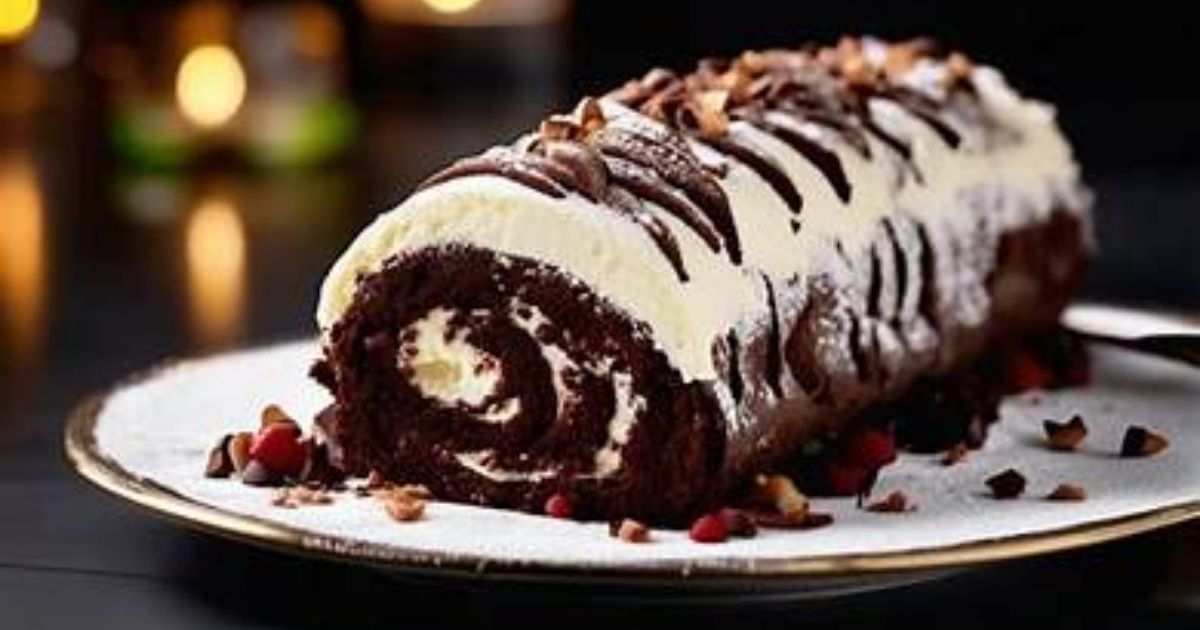
There’s a moment in every home baker’s journey when they stumble across a dessert so beautiful, so completely show-stopping, that they immediately think: “I could never pull that off.” The Mary Berry chocolate roulade is exactly that dessert. Dark, velvety, dusted with a soft snowfall of icing sugar, and wrapped around a cloud of whipped cream. It looks like something from a patisserie window.
But here’s the truth: it’s far more forgiving than it looks. And once you understand a few key things about how it works, you’ll wonder why you ever felt intimidated in the first place.
What Is Mary Berry Chocolate Roulade?
A chocolate roulade is a rolled chocolate sponge cake, but not in the way you might expect. Unlike a traditional Swiss roll, this version contains no flour at all. That’s right. It’s a flourless chocolate sponge, and that’s precisely what makes it so wonderfully tender and rich.
Mary Berry’s version has been a fixture of British baking culture for decades. She’s been making this recipe since before most of us knew what a roulade even was. The base is built on whipped egg whites and good-quality dark chocolate, which gives the sponge that distinctive airy structure. When you roll it, the surface will crack. That’s not a mistake. That’s actually part of its charm.
What you end up with is an elegant chocolate cake roll that looks rustic and refined at the same time. It’s the kind of dessert that earns compliments at the table but never demands perfection in the kitchen.
Read More: Mary Berry Christmas Recipes 2026: Starters, Mains, Sides & Festive Desserts Made Easy
Why This Recipe Is Worth Trying
Let’s be honest. There are hundreds of chocolate dessert recipes floating around the internet. So why bother with this one specifically?
Because it works every single time. The Mary Berry chocolate roulade has been tested by generations of home bakers, refined through years of feedback, and simplified to a point where even someone who has never baked a sponge can follow it confidently. It’s also naturally gluten-free, which makes it a brilliant option if you’re baking for guests with dietary restrictions.
Beyond that, there’s the texture. You won’t find this combination of flavours and feel in a regular chocolate cake. The sponge is intensely chocolatey but surprisingly light. The whipped cream filling cools everything down. Together, they create something far greater than the sum of their parts.
It’s also a festive chocolate dessert that genuinely earns its place on a Christmas table or a birthday spread. Dress it up with a dusting of icing sugar and a few raspberries, and it becomes the centrepiece of any occasion.
Essential Ingredients to Make Mary Berry Chocolate Roulade
You don’t need a long shopping list for this one. The ingredient count is short, but quality matters more than quantity here.
For the sponge, you’ll need 175g of dark chocolate with at least 70% cocoa solids. Don’t scrimp on this. The depth of flavour in your roulade depends almost entirely on the quality of the chocolate you choose. You’ll also need 175g of caster sugar, 6 large eggs, and 2 tablespoons of cocoa powder for dusting.
For the filling, 300ml of double cream is all you need. Some people like to sweeten it lightly with a tablespoon of icing sugar, and others add a splash of vanilla extract. Both options work beautifully. You’ll also want extra icing sugar to dust the finished roulade before serving.
That’s it. No flour, no butter in the sponge, no complicated ingredients hiding in the list. Simple but effective, which is very much the Mary Berry way.
Handy Kitchen Tools for Best Results
Getting your equipment right before you start makes the whole process smoother.
You’ll need a Swiss roll tin, ideally 33 x 23cm. Don’t try to use a regular baking tray here. The shape and shallow depth of the Swiss roll tin are what give the sponge its correct thickness for rolling. Line it with baking parchment, making sure the paper overhangs slightly at each end. This will help you lift the sponge cleanly when it’s done.
A stand mixer or hand electric whisk is important for this recipe. You’re whipping egg whites to stiff peaks, and doing that by hand is an exhausting experience nobody needs. A large metal spoon is essential too, for folding the chocolate mixture into the egg whites without knocking out the air you’ve worked so hard to build in.
You’ll also want a clean tea towel, dusted with cocoa powder, ready to help with rolling. A wire cooling rack and a sheet of baking parchment complete your setup.
Step-by-Step Guide to Making Mary Berry Chocolate Roulade
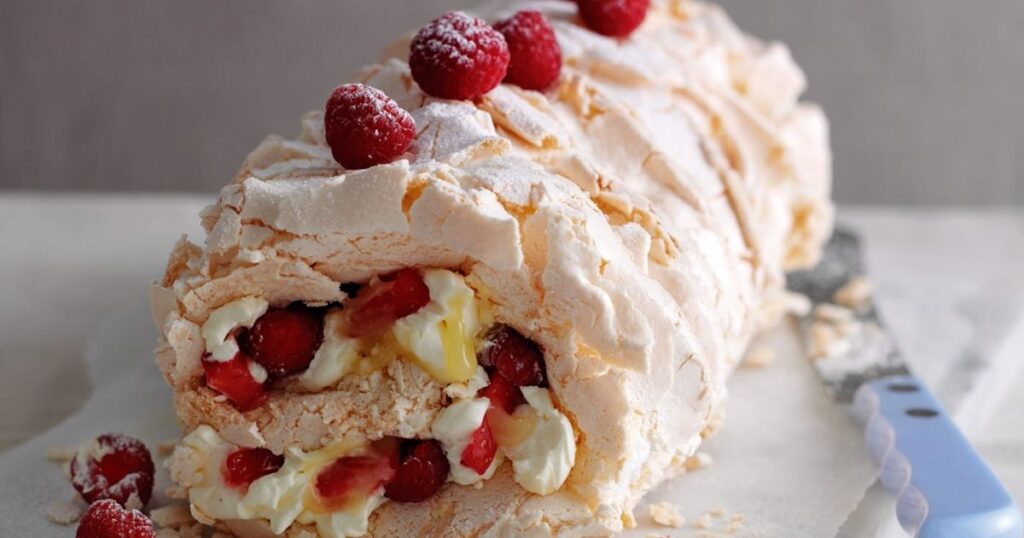
Start by preheating your oven to 180°C (160°C fan, Gas Mark 4). Line your Swiss roll tin with baking parchment.
Break the dark chocolate into pieces and melt it in a heatproof bowl set over a pan of barely simmering water. Don’t let the bottom of the bowl touch the water. Stir occasionally until smooth, then remove from the heat and let it cool slightly.
Separate your eggs into two large mixing bowls. Beat the egg yolks with the caster sugar until the mixture is thick, pale, and creamy. This step takes a few minutes but it’s worth the effort. The pale, ribbon-like consistency you’re aiming for is what gives the sponge its lift.
Stir the melted chocolate into the yolk mixture until fully combined. It’ll look very rich and dark at this point. That’s perfect.
In the second bowl, whisk the egg whites until they form stiff peaks. Don’t rush this. You want them firm enough that the bowl could be turned upside down without the whites moving. Gently fold a large spoonful of egg whites into the chocolate mixture to loosen it. Then fold in the remaining whites carefully, using a figure-of-eight motion and a metal spoon. You’re trying to preserve all that air.
Pour the batter into your prepared tin and spread it gently into the corners. Bake for 20 to 25 minutes, until the top feels set and firm to the touch. Remove from the oven and let it cool completely in the tin. As it cools, it will sink a little and the surface will firm up. This is completely normal.
Once cooled, lay a sheet of baking parchment dusted with icing sugar on your work surface. Turn the sponge out onto it and carefully peel away the lining parchment. Spread the whipped cream filling evenly across the surface, leaving a small border at one of the short ends.
Using the parchment to help you, roll the sponge tightly from one short end. The surface will crack. Don’t panic. Cracks are part of what makes a homemade chocolate roulade look so honest and delicious. Dust generously with icing sugar and transfer to a serving plate.
What I Got Wrong (And How I Fixed It)
The first time this recipe was attempted by a beginner baker, the sponge came out beautifully but turned into a collapsed, cracked mess at the rolling stage. The panic was real.
What went wrong was over-whipping the cream. The filling was too stiff, which created resistance during rolling and caused the sponge to split in a way that wasn’t charming but structural. The fix is simple. Whip the cream to soft peaks only, not stiff ones. It should hold its shape but still feel light and billowy. That small change transforms the whole experience.
The second mistake was trying to roll the sponge while it was still slightly warm. Patience matters here. Let the sponge cool completely. A warm sponge is fragile and far more likely to tear beyond repair. Give it at least an hour in the tin, or even longer if the room is warm.
Another issue that comes up often is the sponge collapsing dramatically in the centre after baking. This usually happens when the oven door is opened too early. Resist the temptation to check on it until at least the 20-minute mark. Trust your oven and the timer.
Healthier Version of Mary Berry’s Chocolate Cake
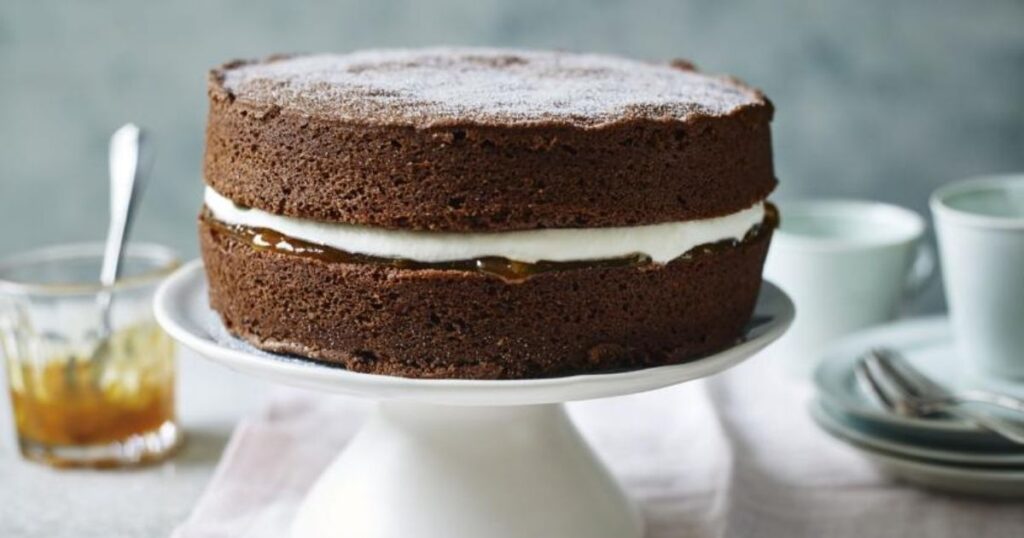
If you want to make this recipe a little lighter without sacrificing the experience, there are a few sensible swaps worth knowing.
Replacing the double cream with coconut cream is probably the most popular option. It whips up similarly and has a subtle sweetness that works beautifully with dark chocolate. Use a chilled tin of full-fat coconut cream for best results, scooping out the solid cream from the top and discarding the liquid.
You can also reduce the sugar in the sponge slightly. Dropping from 175g to 150g won’t noticeably change the texture but does reduce the overall sweetness. Pairing a lower-sugar sponge with unsweetened whipped cream creates a dessert that’s indulgent without feeling cloying.
For a dairy-free version, both swaps work together. Dark chocolate is often naturally dairy-free, but always check the label to be sure. The result is a soft cocoa sponge cake that’s completely plant-based and still deeply satisfying.
Ingredient Substitutions for Mary Berry Chocolate Roulade
Sometimes you don’t have exactly what’s called for. Here’s what works and what to avoid.
If you don’t have dark chocolate at 70% cocoa, a 50-60% dark chocolate will still produce a good roulade, though the flavour will be slightly less intense. Avoid milk chocolate entirely. It contains too much sugar and not enough cocoa mass to give the sponge the structure it needs.
Caster sugar can be swapped for golden caster sugar for a slightly deeper, more caramel-like flavour. Some bakers have used coconut sugar too, which adds an earthy note that’s quite pleasant with dark chocolate.
Can’t find a Swiss roll tin? A similar-sized shallow baking tin lined with a double layer of parchment can work in a pinch. Just watch the bake time carefully, as different tins conduct heat differently.
For the filling, double cream can be replaced with a thick whipping cream. Single cream won’t work as it can’t be whipped to the right consistency.
Pairing Ideas: What to Serve With Mary Berry Chocolate Roulade
The roulade is rich but not heavy, which means it pairs well with both fruity and creamy accompaniments.
Fresh raspberries or strawberries are the classic choice. Their sharpness cuts through the chocolate and cream beautifully. A small bowl of raspberry coulis alongside each slice adds elegance to the presentation.
A scoop of vanilla ice cream works wonderfully if you’re serving this as a dinner party dessert in cooler months. The temperature contrast is genuinely lovely. For a holiday chocolate dessert recipe, a drizzle of warm dark chocolate sauce adds theatre and depth.
If you’re going for a festive feel, scatter a few pomegranate seeds across the top just before serving. The jewel-like colour against the dusted icing sugar looks stunning and takes no effort at all.
A cup of good coffee or a strong tea alongside each serving is all you really need to complete the experience.
Expert Tips to Make Perfect Mary Berry Chocolate Roulade
Use room-temperature eggs. Cold eggs don’t whip as efficiently. Taking them out of the fridge 30 minutes before you start will give you better volume in both the yolks and the whites.
Don’t skip the cocoa powder dusting on the tea towel when rolling. It prevents the sponge from sticking and also adds a subtle layer of flavour to the exterior.
When folding egg whites into the chocolate mixture, less is more. Overmixing deflates the batter and results in a dense, flat sponge. Fold until just combined and then stop.
If your kitchen is warm, chill the finished roulade in the refrigerator for 20 minutes before serving. It firms up slightly and makes slicing much cleaner and neater.
Make sure the chocolate has cooled to room temperature before adding it to the egg yolks. Hot chocolate added to eggs creates scrambled eggs. Not what you’re going for.
Creative Ways to Customize Mary Berry Chocolate Roulade
The classic version is hard to beat, but there’s real room for creativity here.
Stir a tablespoon of espresso powder into the melted chocolate for a mocha-style roulade. The coffee amplifies the chocolate flavour without dominating. It’s a subtle upgrade that serious chocolate lovers will appreciate.
Add a thin layer of good-quality raspberry jam under the whipped cream before rolling. The combination of chocolate, cream, and raspberry jam is one of those timeless flavour pairings that never gets old.
For a Christmas chocolate roulade, fold crushed peppermint candy canes into the whipped cream filling and dust the top with a mixture of icing sugar and a tiny pinch of edible glitter. It’s festive and fun without being gaudy.
You can also add texture to the filling by folding in a handful of finely chopped toasted hazelnuts or a few tablespoons of crumbled meringue. These little pockets of crunch inside the soft, creamy roulade make each bite feel like a small discovery.
Storing Mary Berry Chocolate Roulade the Right Way
The good news is that this dessert actually improves after a few hours in the fridge. The cream filling has time to settle, the sponge softens slightly and becomes even more tender, and all the flavours meld together beautifully.
Store the finished roulade loosely covered with cling film in the refrigerator. It will keep well for up to two days. Beyond that, the cream begins to weep and the sponge loses its structure.
You can also make the chocolate roulade ahead of time. Bake and cool the sponge the day before, wrap it in the parchment, and store it at room temperature overnight. Fill and roll it on the day you’re serving. This approach is particularly useful if you’re preparing a large meal and want to spread the cooking across two days.
Freezing is possible too, though it’s best to freeze the sponge before filling. Wrap the cooled, unfilled sponge tightly in cling film and then in foil. Freeze for up to one month. Defrost overnight at room temperature, then fill and roll as normal.
How to Reheat Cowboy Caviar (If Needed)
Chocolate roulade is genuinely best served at refrigerator temperature or slightly cooler. Reheating it changes the texture of the cream and can cause the sponge to dry out.
If you’ve stored the roulade in the fridge and find it a little firm, remove it 15 minutes before serving. This allows the cream to soften slightly and the chocolate flavours to open up. You’ll notice a real difference in taste between a slice taken straight from the cold fridge and one that’s been sitting at room temperature for a few minutes.
If you’re serving individual slices and want a warm element, a small jug of warm chocolate sauce or a scoop of freshly made custard on the side does the job perfectly without compromising the roulade itself.
Nutritional Breakdown (per serving)
This table is based on the standard recipe cut into 8 servings.
| Nutrient | Amount per Serving |
| Calories | 320 kcal |
| Total Fat | 21g |
| Saturated Fat | 12g |
| Carbohydrates | 28g |
| Sugar | 25g |
| Protein | 6g |
| Fibre | 1.5g |
| Sodium | 55mg |
Values are approximate and will vary based on the specific ingredients you use. Using less sugar in the filling or a lower-fat cream alternative will reduce the calorie count noticeably.
Mary Berry Chocolate Roulade Recipe
Ingredients
For the sponge:
- 175g dark chocolate (at least 70% cocoa solids), broken into pieces
- 175g caster sugar
- 6 large eggs, separated
- 2 tablespoons cocoa powder, for dusting
For the filling:
- 300ml double cream
- 1 tablespoon icing sugar (optional)
- 1 teaspoon vanilla extract (optional)
To finish:
- 2 tablespoons icing sugar, for dusting
Instructions
Preheat your oven to 180°C (160°C fan, Gas Mark 4). Line a 33 x 23cm Swiss roll tin with baking parchment.
Melt the dark chocolate in a heatproof bowl set over a pan of barely simmering water. Stir until smooth and set aside to cool slightly.
In a large bowl, whisk together the egg yolks and caster sugar until the mixture is pale, thick, and ribbon-like. This usually takes about 3 to 4 minutes with an electric whisk. Stir in the cooled melted chocolate until fully combined.
In a separate, clean bowl, whisk the egg whites to stiff peaks. Make sure your bowl and whisk are completely grease-free, as any fat will prevent the whites from forming properly.
Gently fold a large spoonful of egg whites into the chocolate mixture to loosen it. Add the remaining egg whites in two more batches, folding carefully each time with a metal spoon using a figure-of-eight motion. Stop folding as soon as no streaks of white remain.
Pour the mixture into your prepared tin and spread gently to the corners. Bake for 20 to 25 minutes, or until the top is set and firm. Remove from the oven and leave to cool completely in the tin.
While the sponge cools, whip the double cream with icing sugar and vanilla extract (if using) to soft peaks.
Lay a large sheet of baking parchment on your work surface and dust it generously with icing sugar. Turn the cooled sponge out onto the parchment and peel away the lining paper carefully.
Spread the whipped cream evenly across the surface of the sponge, leaving a 2cm border at one of the short ends.
Using the parchment underneath to help you, roll the sponge firmly from the short end without the border, pulling the paper away as you go. The surface will crack. This is expected and entirely intentional.
Transfer the roulade to a serving plate with the seam side down. Dust generously with icing sugar and serve.
FAQ’s
Can chocolate roulade be made ahead of time?
Yes, you can bake the sponge a day ahead and store it wrapped at room temperature. Fill and roll it on the day you’re serving for the freshest result.
Why does a chocolate roulade crack when rolling?
Cracking is completely normal. The flourless sponge is moist and flexible enough to roll without breaking, but surface cracks form naturally. They’re part of the dessert’s rustic charm and don’t affect the taste.
How do I keep the roulade sponge moist?
Don’t overbake it. A slightly underbaked centre is actually preferable to a dry sponge. Also, cover it well when storing in the fridge to prevent it from drying out.
Can I make a gluten-free chocolate roulade?
This recipe is already gluten-free as it contains no flour. Just make sure the cocoa powder and chocolate you use are certified gluten-free if you’re baking for someone with coeliac disease.
How long does chocolate roulade last in the refrigerator?
Stored loosely covered in cling film, it will keep for up to two days. After that, the cream begins to weep and the texture deteriorates. It’s best enjoyed within 24 hours of filling.

Logan Reid is a food content strategist passionate about digital storytelling and SEO growth. With years of culinary and marketing experience, he helps food bloggers and brands boost visibility through authentic, data-driven strategies. His work blends creativity, expertise, and trust, making every collaboration a recipe for lasting online success.