
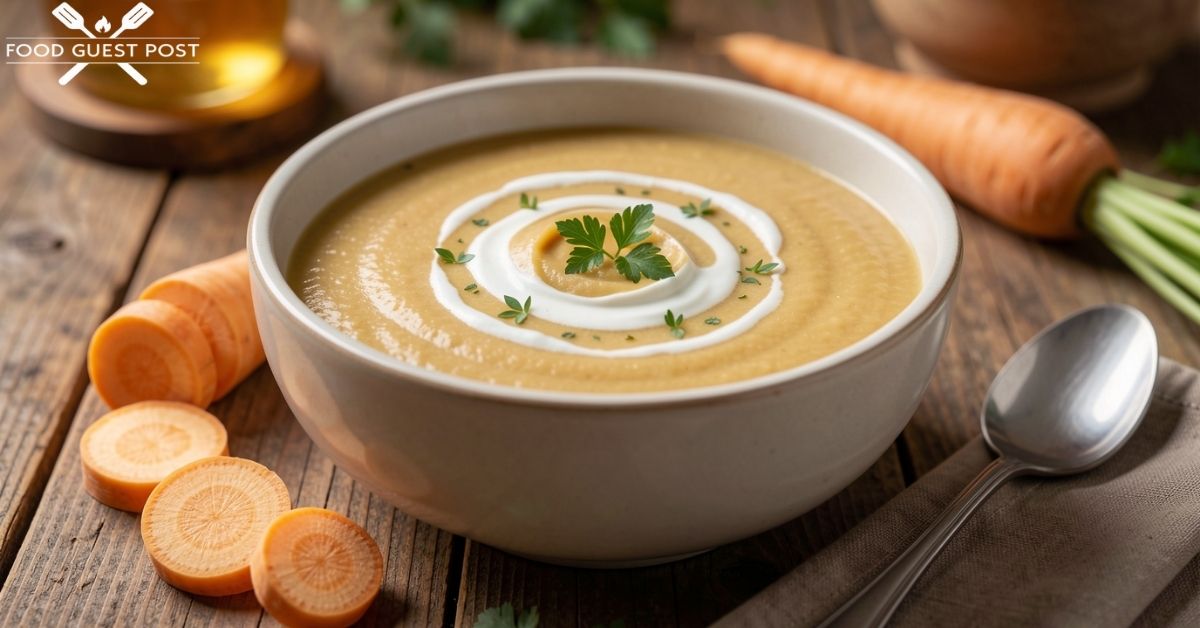
There’s a particular kind of cold that settles into your bones on a grey British afternoon. You know the one. The sky outside is the colour of old dishwater, and all you want is something warm, thick, and deeply satisfying. That’s exactly where Mary Berry parsnip soup earns its place. It’s not flashy. It doesn’t try to be. But one bowl of this velvety, gently spiced root vegetable soup and you’ll understand why it’s been a staple in British kitchens for decades.
This isn’t just another blended vegetable soup recipe you’ll make once and forget. It’s the kind of recipe you’ll come back to every single winter. And once you nail it, you’ll want to make a double batch every time.
What Is Mary Berry Parsnip Soup?
If you’ve ever watched Mary Berry on television, you already know her cooking philosophy. Keep things simple, use good ingredients, and never overcomplicate a dish. Her parsnip soup is a perfect reflection of that mindset. It’s a smooth blended soup built around parsnips, onion, garlic, and a touch of warm spice, all brought together with vegetable stock and a generous pour of cream.
The result is something deeply comforting. Think of it as a bowl of British countryside in liquid form. Parsnips have a naturally sweet, earthy flavour that pairs brilliantly with a hint of curry powder and nutmeg. When you blend them into a silky-smooth texture, you get a soup that feels indulgent without actually being over the top.
It’s a classic British soup recipe that balances simplicity with real depth of flavour. And it’s exactly the kind of dish Mary Berry has always championed: honest, accessible, and genuinely delicious.
Read More: Easy Mary Berry Dauphinoise Potatoes Recipe
Why This Recipe Is Worth Trying
You might be thinking, it’s just parsnip soup. What’s the big deal? Fair enough. But here’s the thing. Most homemade winter soup recipes either end up too watery or too heavy. This one hits the sweet spot. The parsnips give it body. The cream gives it richness. The spices give it warmth without turning it into something you’d need a palate cleanser after.
It’s also incredibly easy. You don’t need any special equipment or advanced cooking skills. A good knife, a saucepan, and a blender are pretty much all it takes. From start to finish, you’re looking at around 40 to 45 minutes. That includes prep time.
Another reason this recipe stands out? It’s a legitimate make-ahead soup. You can cook a big batch on Sunday and eat well all week. It freezes beautifully too, which means future-you will be extremely grateful when you pull a container of this creamy parsnip soup out of the freezer on a miserable Wednesday evening.
It’s vegetarian-friendly, adaptable for dairy-free diets, and genuinely nourishing. What’s not to love?
Essential Ingredients to Make Mary Berry Parsnip Soup
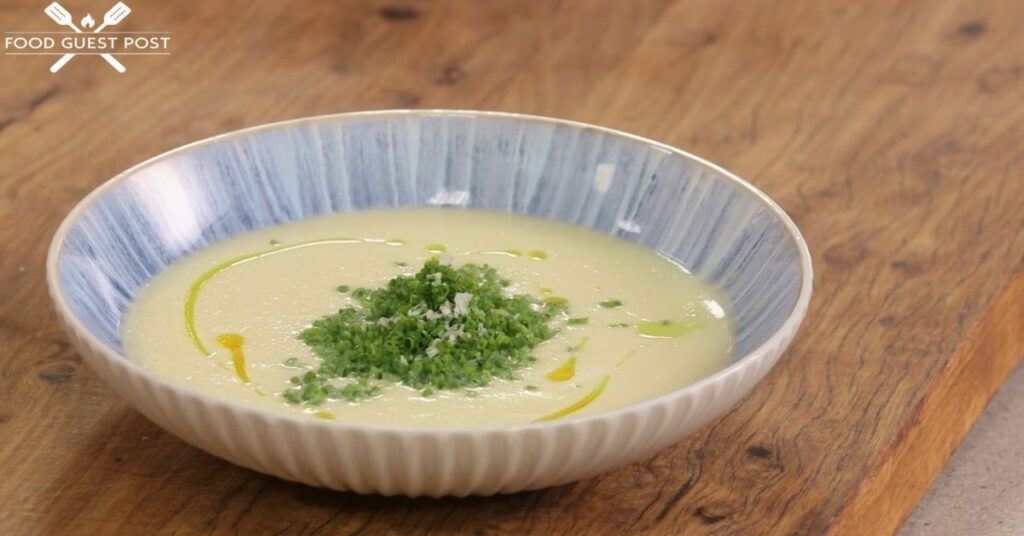
Getting the ingredients right matters more than most people realise. Here’s what you’ll need for a generous four-serving batch.
- 600g parsnips, peeled and roughly chopped
- 1 large onion, diced
- 2 garlic cloves, minced
- 1 teaspoon mild curry powder
- A pinch of freshly grated nutmeg
- 1 litre good-quality vegetable stock
- 150ml double cream (plus a little extra for swirling to serve)
- 2 tablespoons olive oil or butter
- Salt and black pepper to taste
- Fresh chives or flat-leaf parsley to garnish
A few notes on ingredient quality. The parsnips are obviously the star of the show, so fresher is better. Look for firm parsnips with no soft spots or wrinkled skin. Smaller parsnips tend to be sweeter and less woody than the enormous ones. If you can only get large ones, make sure you remove the tough core running down the centre.
The stock matters too. A watery or over-salted stock will drag the entire soup down. If you have time, homemade is wonderful. If not, a good-quality shop-bought fresh stock beats a stock cube every time in this particular dish.
As for the cream, double cream creates that luxuriously smooth consistency you’re after. Single cream works in a pinch, but the soup won’t feel quite as velvety. More on the dairy-free swap later.
Handy Kitchen Tools for Best Results
You don’t need a fully-equipped professional kitchen for this. But a few specific tools will make the process much smoother, literally and figuratively.
A large, heavy-bottomed saucepan or Dutch oven is your best friend here. It distributes heat evenly, which means you won’t get hot spots that can scorch the onions before the parsnips even go in.
For blending, you have two solid options. A countertop blender will give you the smoothest, most luxurious result. If you want that truly restaurant-quality blended soup texture, this is the way to go. Alternatively, a stick blender (immersion blender) works perfectly well and saves on washing up. Just make sure you blend in batches if using a countertop blender, and let the soup cool slightly before you pour it in. Hot liquid in a sealed blender can be genuinely hazardous.
A good-quality vegetable peeler, a sharp chef’s knife, and a wooden spoon round out your toolkit. That’s really all you need.
Step-by-Step Guide to Making Mary Berry Parsnip Soup
Let’s get into it. Follow these steps and you’ll have a pot of incredible creamy parsnip soup on the table in under an hour.
Step 1: Sauté the onion and garlic
Heat your olive oil or butter in the large saucepan over a medium heat. Add the diced onion and let it cook gently for about 8 to 10 minutes. You want it soft, translucent, and just starting to turn golden at the edges. Don’t rush this step. A properly softened onion creates a sweet, mellow base that makes the whole soup taste more complex.
Once the onion is ready, add the minced garlic and cook for another minute or two, stirring constantly so it doesn’t catch and burn. Burnt garlic will make your soup bitter, and there’s no rescuing it after that point.
Step 2: Add parsnips and spices
Now in go the chopped parsnips, the curry powder, and the pinch of nutmeg. Stir everything together so the parsnips get nicely coated in the spiced oil. Cook for about 3 to 4 minutes, stirring regularly. This brief toasting of the spices in fat is called blooming, and it makes an enormous difference to the depth of flavour in the finished soup. The kitchen will start smelling absolutely brilliant at this point.
Step 3: Add stock and simmer
Pour in the vegetable stock and bring everything up to a gentle boil. Once it’s bubbling, reduce the heat, pop a lid on at an angle (so some steam can escape), and let it simmer for 20 to 25 minutes. You’re looking for the parsnips to be completely tender. Test them with a fork. If it slides in without any resistance, you’re ready to blend.
Step 4: Blend until smooth
Remove the pan from the heat and let it cool for a few minutes. Then blend the soup until completely smooth. If you’re using a countertop blender, work in batches and hold a tea towel firmly over the lid. If you’re using a stick blender, go for it directly in the pan. Blend for at least 60 seconds to get a truly silky result. The difference between a 20-second blend and a proper 90-second blend is genuinely noticeable in the final texture.
Step 5: Add cream and season
Return the blended soup to a low heat if needed to warm it through. Stir in the double cream and taste it. Now’s the time to season generously with salt and freshly ground black pepper. This step is where the soup goes from good to exceptional. Don’t be shy with the seasoning. Parsnips need a decent amount of salt to really sing.
If the soup feels too thick for your liking, add a splash of hot water or extra stock until you reach your preferred consistency.
Step 6: Serve hot
Ladle the soup into warm bowls. Add a small swirl of cream on top, a few snipped chives or a scattering of flat-leaf parsley, and maybe a light dusting of curry powder for colour. Serve immediately alongside crusty bread or a warm roll. Honestly, few things in life are more satisfying than this moment.
What I Got Wrong (And How I Fixed It)
The first time I made this, I under-seasoned it and used a cheap supermarket stock cube. The soup tasted flat and vaguely sad. Don’t make the same mistake. The stock is load-bearing in this recipe. It’s not just background moisture. It’s actually contributing flavour.
The second mistake was rushing the blending. I gave it about 15 seconds with a stick blender and called it done. The result was slightly grainy with little flecks of parsnip throughout. Edible, yes. But not the luxuriously smooth soup you want. Blend it properly. Give it time.
One more thing. I once skipped the cream entirely to cut calories and used just a splash of milk instead. The soup tasted thin and somehow a bit sad. If you’re watching calories, use less cream rather than swapping it for milk. Even 100ml of double cream makes a significant difference to the body and richness of the finished dish.
Healthier Version of Mary Berry’s Parsnip Soup
If you want a lighter take on this recipe, there are a few easy adjustments that keep the flavour intact without all the richness. First, swap the double cream for coconut cream. It sounds counterintuitive for a British-style soup, but the subtle coconut flavour actually pairs beautifully with curry powder and parsnips. The soup remains creamy and satisfying, and it becomes a dairy-free parsnip soup option at the same time.
You can also reduce the cream to just 50ml or 75ml and compensate by adding a small cooked potato to the blending stage. Potato adds body and creates a naturally thicker consistency without relying solely on cream for that smooth blended soup texture.
For an even lighter version, use a spray of olive oil instead of two tablespoons when sautéing. The flavour impact is minimal. The calorie saving is meaningful. A healthy parsnip soup variation is absolutely achievable without sacrificing what makes this recipe worth eating in the first place.
Ingredient Substitutions for Mary Berry Parsnip Soup
Cooking is rarely as rigid as recipes make it sound. Here’s what works if you’re missing something or want to experiment.
No parsnips? Try a combination of butternut squash and sweet potato for a different but equally delicious root vegetable soup. The sweetness profile is similar, and the blended texture is just as smooth.
Want more complexity? Add a small peeled and diced cooking apple with the parsnips in Step 2. The parsnip and apple soup variation is genuinely lovely. The apple adds a gentle tartness that balances the natural sweetness of the parsnips really well.
No vegetable stock? Chicken stock works if you’re not cooking for vegetarians. It adds a deeper, more savoury undertone that some people actually prefer.
Swap curry powder for ras el hanout if you want a more exotic, floral spice note. Or skip the spice entirely and lean into the nutmeg for a more traditionally British flavour.
No double cream? Oat cream or cashew cream are excellent plant-based alternatives that hold up well during heating and don’t split.
Pairing Ideas: What to Serve With Mary Berry Parsnip Soup
The soup itself is rich and filling, so keep the accompaniments simple. Crusty sourdough bread is the classic pairing, and it’s classic for good reason. The slight tang in the bread cuts through the sweetness of the parsnip beautifully.
A warm cheese scone works brilliantly too, especially for a proper British lunch or afternoon meal. Cheddar or gruyere melted into the scone alongside a bowl of this soup is genuinely extraordinary.
For something lighter, serve the soup with thin wholegrain crispbreads and a small green salad dressed with a sharp lemon vinaigrette. The acidity in the dressing provides a welcome contrast to the creamy soup.
If you’re serving this as a dinner party starter, a few slices of toasted walnut bread on the side elevate the whole presentation without much effort. Walnuts and parsnips have a natural affinity that most people haven’t discovered yet.
Expert Tips to Make Perfect Mary Berry Parsnip Soup
These are the details that separate a good version from a great one.
First, always warm your bowls before serving. Cold bowls drop the soup temperature almost immediately. Just fill them with hot water for a minute, pour it out, and ladle in your soup.
Second, if you’re making this for guests, blend the soup twice. Once with a stick blender in the pan, then again in batches in a countertop blender. The texture becomes extraordinarily smooth and almost restaurant-quality.
Third, taste the soup after blending and before adding cream. Adjust the seasoning at this stage first, then add the cream. Adding cream to under-seasoned soup is a common mistake. The cream mutes the flavour slightly, so you want the base to be just slightly over-seasoned before the cream goes in.
Fourth, roasted parsnip soup is a genuinely wonderful variation. Toss your parsnip chunks in a little olive oil and roast them at 200C for 25 minutes before adding them to the pot. Roasting concentrates the sugars and creates a slightly caramelised, nutty flavour that adds real depth to the finished soup.
Finally, a tiny squeeze of lemon juice right at the end brightens everything up. You don’t taste lemon as such. You just taste the soup tasting more like itself.
Creative Ways to Customize Mary Berry Parsnip Soup
Once you’ve made the base recipe a couple of times, you’ll naturally start wanting to riff on it. Here are a few variations worth exploring.
Parsnip curry soup is an obvious extension. Double the curry powder, add a teaspoon of ground cumin and a teaspoon of ground coriander, and finish with coconut cream instead of double cream. It’s warming, aromatic, and incredibly satisfying on a cold evening.
For a more substantial meal, top the finished soup with crispy chickpeas, a drizzle of chilli oil, and a dollop of Greek yoghurt. You’ve essentially turned a starter into a proper bowl meal.
A handful of spinach wilted into the soup just before blending adds nutrients and a subtle green depth without dramatically changing the flavour profile. It also makes the soup look gorgeous.
You can also add a handful of red lentils to the simmering stage. They dissolve completely during blending and add both protein and a slightly earthier, more complex flavour. This is an excellent move if you want a heartier, more filling version.
Storing Mary Berry Parsnip Soup the Right Way
This soup keeps well, which is one of the things that makes it such a practical recipe to have in your repertoire.
In the fridge, store the soup in an airtight container for up to four days. Let it cool completely before refrigerating. Never put hot soup directly into the fridge, as it raises the internal temperature of the appliance and can affect other items stored nearby.
For freezing homemade soup, portion the cooled soup into individual-serving freezer-safe containers or freezer bags. Lay the bags flat to freeze them, which saves significant freezer space. Parsnip soup freezes remarkably well for up to three months. One important note though: if you’ve added cream to the batch you’re freezing, be aware that cream-based soups can occasionally separate slightly upon thawing. This is easily fixed by stirring or briefly blending the reheated soup.
If you plan to freeze a large batch, consider freezing it before adding the cream. Add the cream only when you’re reheating for serving. The texture will be noticeably better.
How to Reheat Mary Berry Parsnip Soup (If Needed)
Reheating creamy soup requires a little care. The goal is gentle, even heat. Don’t rush it on high heat, especially if the soup has cream in it.
From the fridge, pour the soup into a saucepan and warm it over a medium-low heat, stirring regularly. It usually takes about 8 to 10 minutes to reach the right temperature. If the soup has thickened in the fridge (which it often does), add a small splash of water or stock and stir it in as it heats.
From frozen, transfer the soup to the fridge the night before and let it thaw slowly overnight. Then reheat as above. If you’re pressed for time, you can reheat directly from frozen in a saucepan over low heat with a lid on, stirring frequently as it begins to loosen up.
The microwave works too for single portions. Use a medium setting (around 60 to 70% power) and stir every 60 seconds to ensure even heating. High power tends to create hot spots that can cause the cream to split.
Nutritional Breakdown (per serving)
This is based on a four-serving batch made with the full recipe as described above.
| Nutrient | Per Serving (Approx.) |
| Calories | 285 kcal |
| Carbohydrates | 28g |
| Protein | 4g |
| Fat | 17g |
| Saturated Fat | 9g |
| Fibre | 7g |
| Sodium | 480mg |
| Sugar | 10g |
| Vitamin C | 22mg |
Parsnips are a genuinely nutritious root vegetable. They’re a solid source of dietary fibre, which supports digestive health, and they provide a useful amount of vitamin C, folate, and potassium. The parsnip soup nutrition profile is actually more impressive than most people expect, especially when you consider how filling and satisfying a single bowl is.
If you use the lower-cream or coconut cream variation, the saturated fat content drops considerably while the overall calorie count remains similar.
FAQ’s
Can I make Mary Berry parsnip soup without cream?
Yes, you can. Replace the cream with coconut cream for a dairy-free result, or simply leave it out and add an extra splash of stock. The soup will be slightly less rich but still delicious.
How long does homemade parsnip soup last in the fridge?
Stored in an airtight container, this soup will keep well in the fridge for up to four days. Always let it cool fully before storing.
Can I freeze this parsnip soup recipe?
Absolutely. It freezes well for up to three months. For best results, freeze before adding the cream and stir in fresh cream when you reheat it.
What can I use instead of parsnips?
Butternut squash, sweet potato, or a combination of the two make excellent alternatives and produce a similarly smooth, naturally sweet vegetable soup.
Is this recipe suitable for vegetarians and vegans?
The base recipe is vegetarian. For a vegan version, use olive oil instead of butter and replace the double cream with coconut cream or a plant-based cream alternative.

Logan Reid is a food content strategist passionate about digital storytelling and SEO growth. With years of culinary and marketing experience, he helps food bloggers and brands boost visibility through authentic, data-driven strategies. His work blends creativity, expertise, and trust, making every collaboration a recipe for lasting online success.