
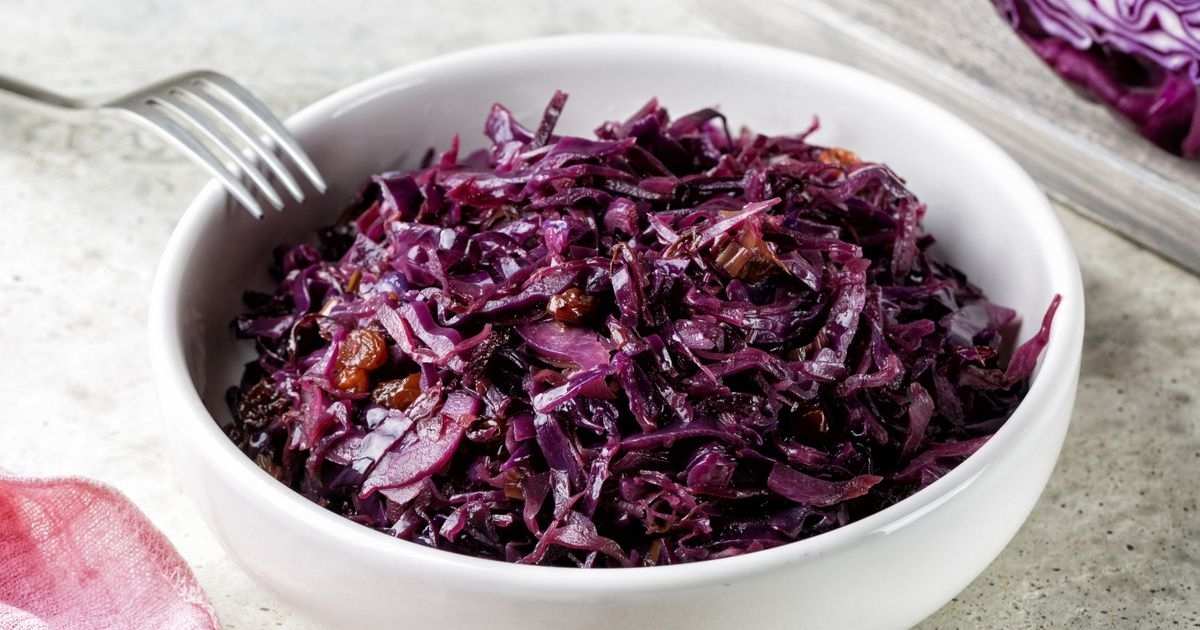
Have you ever sat down to a Sunday roast and felt like something was missing? Not the meat, not the gravy, but that one vibrant, glossy side dish that ties the whole plate together. That’s exactly where this recipe steps in. Mary Berry red cabbage with apple is one of those dishes that quietly steals the show every single time.
It’s not complicated. It’s not fussy. But it delivers a depth of flavour that makes people ask, “What is that?” It’s sweet, tangy, deeply savory, and beautifully soft. And the best part? You probably already have most of the ingredients sitting in your kitchen right now.
Whether you’re planning a Christmas dinner, a Sunday roast, or just want a genuinely satisfying vegetable side dish for a weeknight meal, this recipe has earned its place at the table, and then some.
What Is Mary Berry’s Red Cabbage and Apple?
If you’ve followed British cooking at all, you know Mary Berry doesn’t do unnecessary. Everything she puts in a recipe has a purpose. Her braised red cabbage and apple dish is a classic example of traditional British cooking elevated through smart technique and well-balanced flavours.
At its core, this is a slow-braised red cabbage recipe built around the natural sweetness of cooking apples, the sharpness of red wine vinegar, a touch of brown sugar, and warm spices like cinnamon and cloves. The cabbage softens slowly over low heat, absorbing every bit of flavour around it until it turns into something genuinely spectacular.
It’s the kind of dish that improves with time. Make it the day before a big dinner, reheat it gently, and it tastes even better than it did fresh. That’s the hallmark of a proper make-ahead vegetable side dish, and this one delivers on every front.
Read More: Mary Berry Blinis Recipe: Easy, Fluffy & Perfect Every Time
Why This Recipe Is Worth Trying
You might be thinking, “It’s just cabbage.” That thought vanishes after the first bite. Here’s why this dish deserves your attention.
First, it’s genuinely versatile. It works as a side dish for roast pork, roast duck, Christmas ham, or even a hearty vegetarian meal. The sweet and sour cabbage side dish profile means it cuts through rich, fatty meats beautifully, acting almost like a palate cleanser between bites.
Second, it’s a make-ahead dream. You can prep and cook this entirely the day before your meal, store it in the fridge, and reheat it when you need it. No last-minute rushing. No extra pots on the stove when everything else is demanding your attention.
Third, the nutritional benefits of red cabbage are genuinely impressive. It’s packed with vitamin C, vitamin K, and antioxidants. It’s low in fat and high in dietary fibre. You’re not just eating something delicious, you’re doing something good for yourself too.
And finally, this is a recipe with a reputation behind it. Mary Berry has spent decades earning the trust of home cooks across Britain and beyond. When she endorses a recipe, it’s because it works. Every time.
Essential Ingredients to Make Mary Berry Red Cabbage and Apple
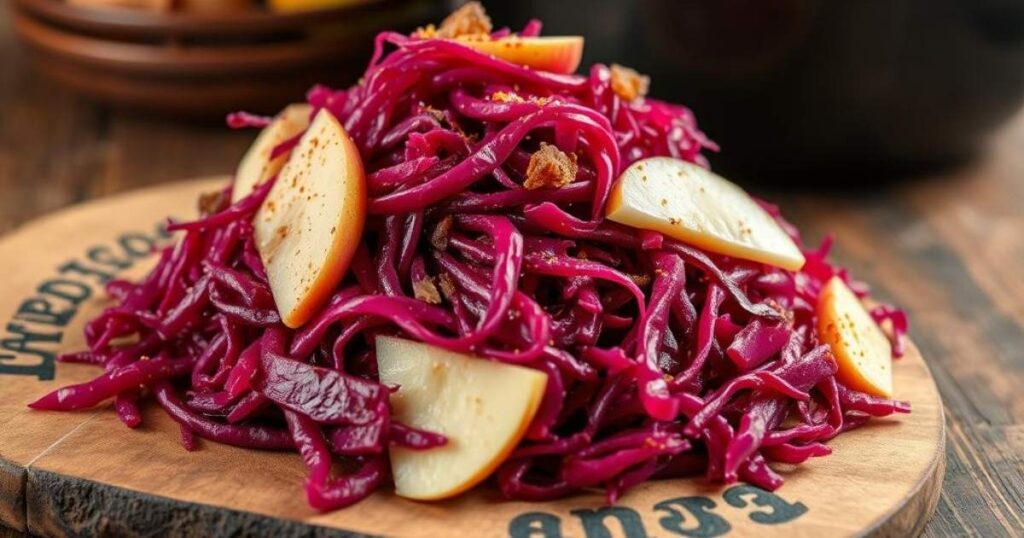
Getting the ingredients right makes all the difference here. Don’t skip or swap carelessly, each element plays a role in the final flavour balance.
For a dish that serves around six people, you’ll need one medium-sized red cabbage (roughly 900g), shredded finely. Two cooking apples, peeled, cored, and thinly sliced, Bramley apples work brilliantly here. One large onion, finely sliced. Two tablespoons of soft dark brown sugar. Three tablespoons of red wine vinegar. Thirty grams of butter. Half a teaspoon of ground cinnamon. A pinch of ground cloves. Salt and black pepper to taste.
The apple and cabbage flavor combination is what makes this dish sing. Cooking apples break down as they heat, melting into the cabbage and creating a subtle sweetness that balances the sharpness of the vinegar perfectly. Don’t use dessert apples, they’re too sweet and won’t give you that balance you’re after.
Handy Kitchen Tools for Best Results
You don’t need fancy equipment, but the right tools will make the whole process smoother and more enjoyable.
A large, heavy-based ovenproof casserole dish is your best friend here. Cast iron works exceptionally well because it distributes heat evenly and holds temperature steadily during the long, slow braising process. If you’re doing oven and stovetop braising, starting on the hob and finishing in the oven, a casserole dish that works on both is essential.
A sharp chef’s knife and a sturdy chopping board will make the prep far less painful. Shredding cabbage by hand takes patience, but a mandoline slicer can speed things up significantly if you have one. Just mind your fingers.
A wooden spoon, a pair of kitchen scales for accuracy, and measuring spoons round out everything you need. Simple kit. No drama.
Step-by-Step Guide to Making Mary Berry Red Cabbage and Apple
This is where it all comes together. Follow these steps carefully and you’ll end up with a cabbage and apple braise that looks and tastes like something from a professional kitchen.
Step 1, Prepare the vegetables
Start by removing the outer leaves of the cabbage and cutting it into quarters. Remove the tough core from each quarter, then slice it as finely as you can. The thinner the shreds, the more evenly they’ll cook. Peel, core, and thinly slice your apples. Finely slice the onion. Have everything ready before you turn on the heat, this recipe moves quickly once you start.
Step 2, Melt the butter
Place your casserole dish over medium heat. Add the butter and let it melt slowly. You’re not looking to brown it, just melt it gently so it coats the base of the pan. This creates the foundation your vegetables will cook in and helps prevent anything from sticking early in the process.
Step 3, Layer the ingredients
Now comes the satisfying part. Add a layer of shredded cabbage to the dish, followed by a layer of sliced apple and onion. Sprinkle over some of the sugar, cinnamon, and cloves. Add a splash of red wine vinegar. Then repeat the layers until you’ve used everything up. Season generously with salt and black pepper between each layer. This layering technique ensures every bite carries the full flavour profile rather than concentrating it all in one spot.
Step 4, Begin the braising process
Put the lid on your casserole dish and cook over low heat on the stovetop, or transfer it to an oven preheated to 150°C (130°C fan, Gas Mark 2). Let it braise slowly for around two to two and a half hours, stirring occasionally. The slow heat is non-negotiable. It’s what transforms raw, slightly tough cabbage into those deeply caramelized, meltingly soft braised vegetables that make this dish so irresistible. Don’t rush it.
Step 5, Adjust seasoning
About twenty minutes before the end of the cooking time, taste the dish. Does it need more vinegar? A touch more sugar? This is your moment to fine-tune. The balance between sweet and tangy cabbage is personal, some people prefer a more pronounced tartness, others lean toward the sweeter end. Trust your palate here and adjust accordingly.
Step 6, Serve warm
Once the cabbage is completely tender and the liquid has mostly been absorbed or reduced to a glossy, flavour-packed syrup, it’s ready. Serve it warm as part of a roast dinner, alongside festive mains, or as a comforting vegetable side on a cold autumn evening. The colour alone, that deep, jewel-toned purple, makes the whole plate look stunning.
What I Got Wrong (And How I Fixed It)
The first time I made this dish, I made a classic mistake, I turned the heat up too high because I was impatient. The result was a slightly scorched, mushy, uneven mess. Edible, but nowhere near what it should have been.
The fix was straightforward: low and slow. That’s the mantra for soft braised vegetables. High heat destroys the texture and causes the liquid to evaporate too quickly, leaving you with something dry and overdone. Drop the temperature, add a proper lid, and let time do the work.
The second mistake I made was using the wrong apples. I grabbed what I had, a couple of Gala apples, and the finished dish was far too sweet with no tartness to balance it. Bramley apples, or any tart cooking apple, are non-negotiable for the right flavour profile. Sweetness you can add. Natural acidity? You can’t manufacture that.
Healthier Version of This Red Cabbage and Apple
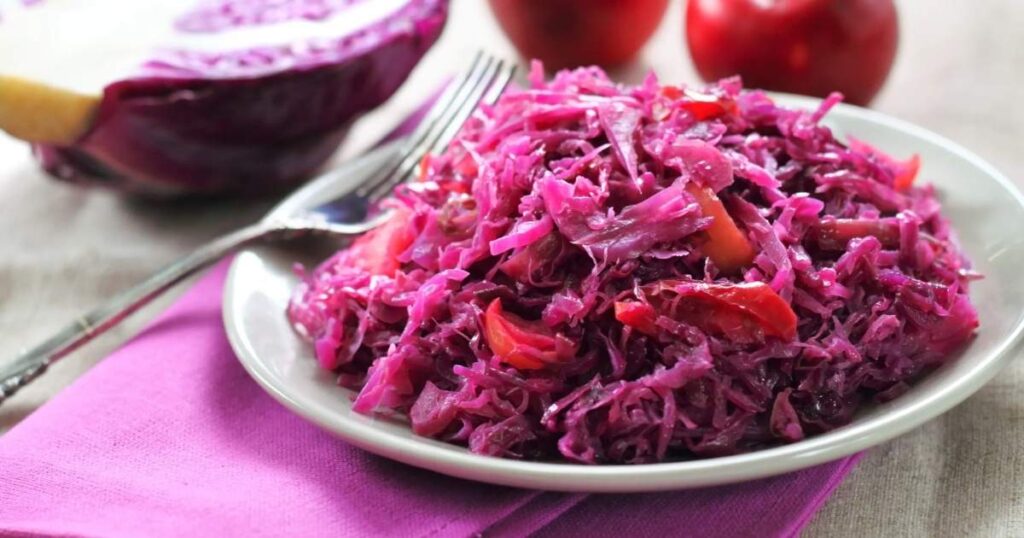
The good news is this dish is already pretty wholesome as it stands. But if you want a low-fat red cabbage recipe, a few small swaps can make it even lighter without sacrificing too much flavour.
Replace the butter with a teaspoon of olive oil or a light cooking spray. Reduce the sugar by half and let the natural sweetness of the apples do more of the work. You can also skip the sugar entirely and add a tablespoon of apple juice concentrate for a more natural sweetener.
This healthy braised cabbage version is also fully vegan-friendly when you swap butter for plant-based fat. No animal products, no compromise on taste. It also remains a brilliant low-fat option for anyone watching their calorie intake, red cabbage is naturally filling thanks to its fibre content, so a small portion goes a long way.
Ingredient Substitutions for Mary Berry Red Cabbage and Apple
Life doesn’t always go to plan, and sometimes you don’t have every ingredient on the list. Here’s how to adapt without ruining the dish.
No red wine vinegar? Apple cider vinegar works just as well and actually reinforces the apple flavour throughout the dish. Balsamic vinegar is a decent backup, though it adds a deeper, slightly richer sweetness.
No brown sugar? Maple syrup or honey both work, though honey can push the flavour in a slightly floral direction. A small amount goes a long way.
No cooking apples? Pears are a surprisingly good alternative. They’re softer and sweeter, so use less sugar to compensate. The overall apple and cabbage cooking guide still applies, you’re just working with a different fruit.
No cinnamon or cloves? Allspice covers both flavour notes in a single spice. A small pinch will do the job without overwhelming the dish.
Pairing Ideas: What to Serve With Red Cabbage and Apple
This dish is one of the most accommodating sides in the entire British culinary repertoire. It pairs brilliantly across a wide range of mains.
Side dishes for roast pork are an obvious match, the acidity cuts through the fat, and the sweetness complements the caramelized pork crackling. Roast duck or goose? Even better. The richness of those birds needs something bright and tangy to balance it out, and this delivers exactly that.
For holiday meal vegetable recipes, this is a natural fit alongside roast turkey or glazed Christmas ham. It also sits comfortably next to sausages and mashed potato for a simple weeknight supper with real depth.
Vegetarians will love it alongside a lentil loaf, a cheese and leek tart, or a hearty root vegetable gratin. The sweet and sour profile works across both meat and plant-based contexts, which makes it one of the most genuinely useful roast dinner accompaniments in the repertoire.
Expert Tips to Make Perfect Red Cabbage and Apple
Getting this right comes down to a few key principles. First, shred the cabbage as finely and evenly as you can. Uneven cuts mean uneven cooking. Some pieces will be perfectly tender while others are still tough, and that’s frustrating.
Second, don’t lift the lid too often during braising. Every time you do, you release heat and steam that’s actively cooking the vegetables. Check once or twice, stir gently, and replace the lid.
Third, this is one of the best make-ahead vegetable side dish options available to you. Make it the day before, let it cool completely, refrigerate it, and reheat gently on the stovetop or in a low oven. The flavours deepen overnight and the texture often improves too.
Fourth, taste as you go. The balance between sweetness, acidity, and seasoning is the whole point of this dish. Don’t just follow the measurements rigidly, use them as a guide and trust your own tastebuds.
Creative Ways to Customise This Dish
Once you’ve nailed the base recipe, you can start playing with it. Braised red cabbage with spices is incredibly adaptable. Try adding a star anise to the layers for a gentle anise warmth that works particularly well at Christmas. A small handful of raisins adds bursts of concentrated sweetness throughout. A splash of port or red wine in place of some of the vinegar deepens the whole flavour profile significantly.
For a more robust, autumnal version, add a few slices of fresh ginger and swap the cinnamon for mixed spice. It gives the dish a warmer, more complex character, perfect for autumn dinner sides when you want something that feels substantial and seasonal.
You can also add chestnuts for a nutty, hearty texture, or incorporate sliced fennel for an additional layer of sweetness and aroma. This dish rewards experimentation, and the core structure is forgiving enough to absorb most additions gracefully.
Storing Mary Berry Red Cabbage and Apple the Right Way
Once cooked, this dish stores beautifully, which is part of what makes it so valuable during busy holiday periods.
Allow it to cool completely before transferring it to an airtight container. It will keep in the refrigerator for up to four days. In fact, day two and day three are often the best days to eat it, the flavours have had time to develop and meld in a way that freshly cooked cabbage simply hasn’t had time to do.
For longer storage, this dish freezes exceptionally well. Portion it into freezer-safe containers, label them clearly, and freeze for up to three months. Defrost overnight in the refrigerator before reheating. You’ll lose virtually none of the flavour or texture through the freezing process, which makes this a seriously practical make-ahead vegetable side dish for busy households.
How to Reheat Red Cabbage and Apple (If Needed)
Reheating this dish is simple, but a little care goes a long way. The best method is to transfer it to a saucepan and heat it gently over low to medium heat, stirring occasionally. Add a small splash of water or apple juice if it looks like it’s catching on the bottom.
You can also reheat it in the oven, cover the dish tightly with foil and warm it at around 160°C for twenty to twenty-five minutes, stirring once halfway through.
Microwaving works in a pinch. Use a microwave-safe dish, cover it loosely, and heat in short bursts, around ninety seconds at a time, stirring between each burst to ensure even heating. It won’t look quite as glossy as stovetop reheating, but it’ll taste just as good.
Whatever method you use, don’t overheat it. You’ve already done all the hard work getting those vegetables to the perfect texture. Aggressive reheating can make them mushy and waterlogged, which wastes a perfectly good dish.
Nutritional Breakdown (per serving)
Based on a standard serving of approximately 150g, here’s what you’re working with nutritionally.
| Nutrient | Amount per Serving |
| Calories | 115 kcal |
| Carbohydrates | 18g |
| Sugars | 14g |
| Fat | 4g |
| Saturated Fat | 2.5g |
| Fibre | 3.5g |
| Protein | 1.5g |
| Vitamin C | 35% RDA |
| Vitamin K | 45% RDA |
The nutritional benefits of red cabbage extend well beyond these numbers. It contains anthocyanins, the plant compounds responsible for its deep purple colour, which have been linked to reduced inflammation and improved heart health. It’s genuinely one of the most nutrient-dense vegetables you can put on your plate.
Mary Berry Red Cabbage and Apple Recipe
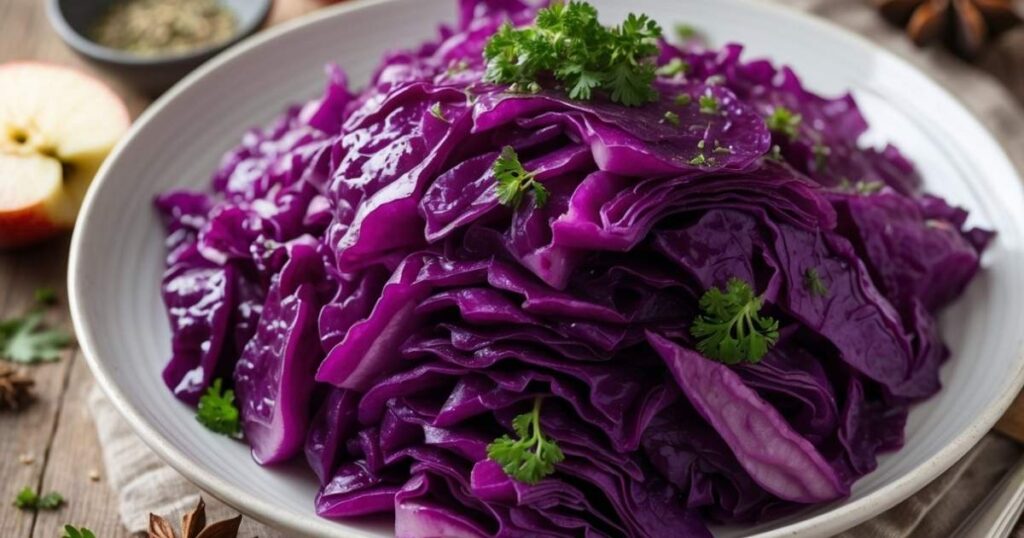
Ingredients
- 1 medium red cabbage (approx 900g), finely shredded
- 2 Bramley apples, peeled, cored, and thinly sliced
- 1 large onion, finely sliced
- 30g butter
- 2 tablespoons soft dark brown sugar
- 3 tablespoons red wine vinegar
- Half teaspoon ground cinnamon
- A pinch of ground cloves
- Salt and black pepper to taste
Instructions
Preheat your oven to 150°C (130°C fan, Gas Mark 2). Melt the butter in a large ovenproof casserole dish over medium heat. Layer the shredded cabbage, apple slices, and onion in the dish, sprinkling sugar, cinnamon, cloves, salt, pepper, and a splash of vinegar between each layer. Repeat until all ingredients are used. Put the lid on and transfer to the oven. Cook for two to two and a half hours, stirring every thirty to forty minutes. Taste and adjust seasoning before serving warm.
FAQ’s
Can I make this recipe ahead of time?
Yes, absolutely. This dish tastes even better the next day as the flavours deepen overnight. Make it up to two days in advance and reheat gently when needed.
Can I freeze Mary Berry red cabbage and apple?
You can freeze it for up to three months in an airtight container. Defrost in the refrigerator overnight and reheat on the stovetop or in a low oven.
What apples work best in this recipe?
Bramley apples are ideal because their tartness balances the sugar and vinegar. Avoid sweet dessert apples as they make the dish overly sweet and lack the necessary acidity.
Is this recipe suitable for vegans?
It can be made vegan by swapping the butter for olive oil or a plant-based alternative. All other ingredients are naturally vegan-friendly.
How do I stop the cabbage from turning blue during cooking?
The red wine vinegar in the recipe serves a dual purpose, it adds flavour and helps the cabbage retain its vibrant purple colour. Without acid in the cooking liquid, red cabbage tends to turn an unappetising blue-grey shade.
Conclusion
There’s something quietly powerful about a dish this simple doing this much work on the plate. Mary Berry red cabbage with apple isn’t flashy. It doesn’t demand expensive ingredients or technical precision. But it shows up every single time, reliably, beautifully, and full of flavour.
It’s a dish that fits into a Christmas feast just as easily as it fits into a Tuesday night dinner. It stores, freezes, and reheats like a dream. It’s nutritious, adaptable, and genuinely delicious. And once you’ve made it once, you’ll find yourself coming back to it season after season.
So the next time you’re planning a roast or a festive spread, don’t overlook the cabbage. This one earns its spot at the table, and then some.

Logan Reid is a food content strategist passionate about digital storytelling and SEO growth. With years of culinary and marketing experience, he helps food bloggers and brands boost visibility through authentic, data-driven strategies. His work blends creativity, expertise, and trust, making every collaboration a recipe for lasting online success.