
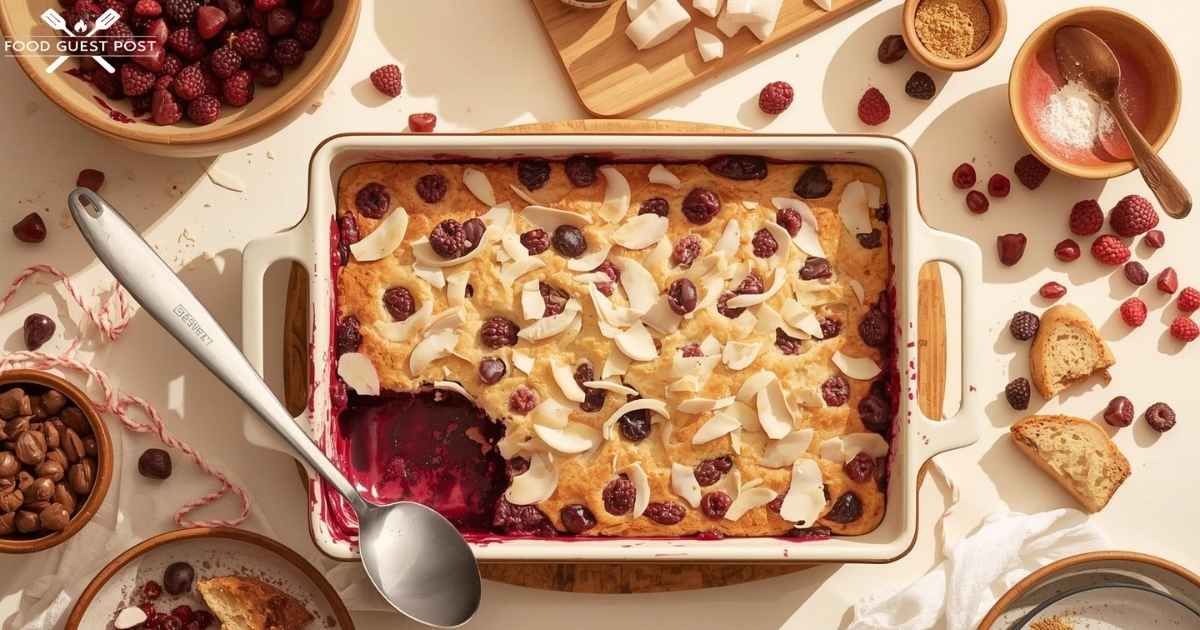
If you’ve ever stood in your kitchen wondering what to bake for a weekend gathering, a school bake sale, or just a quiet afternoon with a cup of tea, this recipe is your answer. The Mary Berry Coconut Tray Bake Recipe is one of those classic British bakes that never lets you down. It’s simple, it’s satisfying, and it tastes like something your gran would’ve pulled out of the oven on a Sunday afternoon.
Mary Berry has spent decades teaching home bakers that good food doesn’t have to be complicated. And this coconut tray bake is the perfect proof of that. Whether you’re a beginner or someone who bakes every weekend, you’ll find this recipe genuinely enjoyable to make.
What Is Mary Berry’s Coconut Tray Bake?
Mary Berry’s coconut tray bake is a soft, moist coconut sponge cake baked in a rectangular tin and cut into squares or fingers once cooled. It belongs to a long tradition of classic British sponge cake recipes that are designed to feed a crowd without any fuss.
Unlike layered cakes that require precision stacking or fancy decoration, a tray bake is refreshingly straightforward. You mix your batter, pour it into a tin, bake it, and slice it. That’s really it. The desiccated coconut gives the sponge a lovely texture and a subtle sweetness that isn’t overwhelming. It’s the kind of cake that disappears fast at any gathering.
What makes this recipe special is its roots in traditional British baking. Mary Berry is practically the godmother of British home baking, and her approach has always been about reliability and flavour over complexity. This cake reflects exactly that philosophy.
Why This Recipe Is Worth Trying
Honestly, there are dozens of reasons to make this cake. But here are the ones that really stand out.
First, it’s a genuinely easy coconut cake recipe. You don’t need any fancy skills or equipment. If you can cream butter and sugar and fold in flour, you’re already halfway there.
Second, it’s a crowd-pleaser. The combination of a light coconut sponge with a delicate sweetness makes it suitable for almost everyone. Kids love it. Adults love it. Even people who claim they don’t really like coconut tend to go back for seconds.
Third, this is a brilliant afternoon tea cake recipe. It pairs beautifully with a hot cup of tea and keeps well for a few days, which means you can bake it ahead of time without stress.
And finally, it’s endlessly adaptable. You can dress it up with icing, keep it plain, add a jam layer, or top it with toasted coconut. The base recipe is solid enough to handle all kinds of variations.
Read More: Easy Mary Berry Vegetable Soup Recipe
Essential Ingredients to Make Mary Berry’s Coconut Tray Bake
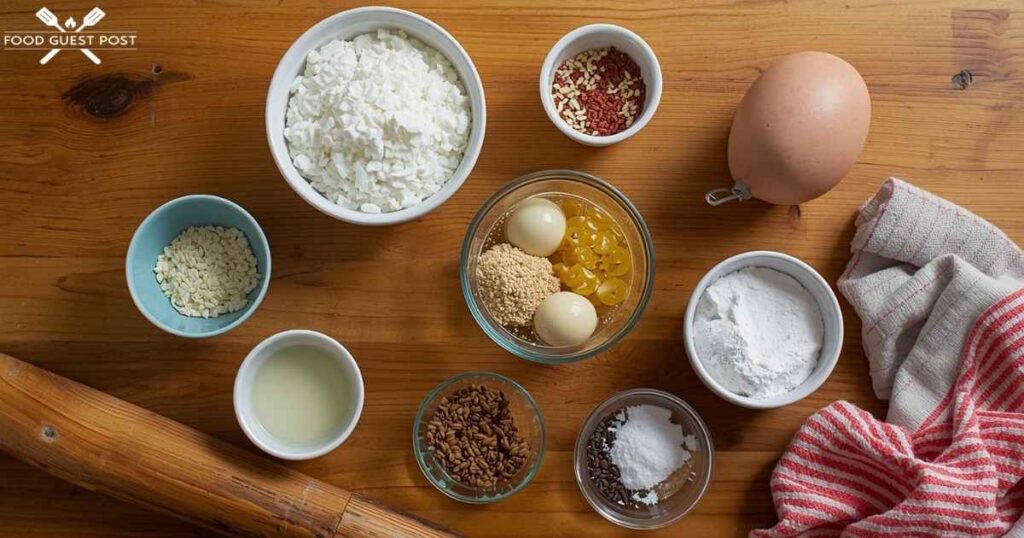
Getting the ingredients right matters more than most people realise. Here’s what you’ll need and why each one plays a role.
Butter is your fat base. Use unsalted butter at room temperature so it creams properly with the sugar. Cold butter won’t incorporate well and can leave your batter lumpy.
Caster sugar gives the sponge its light sweetness and helps with the soft crumb. Granulated sugar works in a pinch but caster dissolves more evenly during creaming.
Self-raising flour is the backbone of the batter. It already contains a raising agent, so your sponge will lift beautifully without needing separate baking powder.
Eggs bind everything together and add richness. Use large eggs at room temperature for the best result.
Desiccated coconut is the star here. It adds texture, flavour, and that signature look when you pull the tray from the oven. Don’t skip it or try to swap it with shredded coconut without adjusting quantities.
Milk loosens the batter slightly, helping it spread evenly in the tin. Just a couple of tablespoons makes a difference.
Vanilla extract rounds out the flavour. It’s subtle but noticeable in the finished cake.
Handy Kitchen Tools for Best Results
You don’t need a professional kitchen setup to nail this. A few reliable tools are all it takes.
A rectangular baking tin is essential. Something around 30x23cm works well for this recipe and gives you enough surface area to cut generous portions.
An electric hand mixer or stand mixer makes creaming the butter and sugar much easier and faster. You can do it by hand, but expect your arms to get a workout.
A rubber spatula helps you fold in the dry ingredients gently and scrape every last bit of batter into the tin.
Baking parchment is a must. Line your tin properly so the cake releases cleanly without tearing.
A cooling rack lets air circulate underneath the cake once it comes out of the oven, preventing a soggy base.
A sharp knife makes clean, even cuts when you’re slicing the finished bake into squares.
Step-by-Step Guide to Making Mary Berry’s Coconut Tray Bake
This is where the magic happens. Follow these steps and you’ll have a beautiful homemade tray bake cake on your hands in under an hour.
Start by preheating your oven to 180°C (160°C fan) or Gas Mark 4. Grease your rectangular tin and line it with baking parchment.
In a large mixing bowl, cream together 225g of softened unsalted butter and 225g of caster sugar until the mixture is pale and fluffy. This usually takes about three to four minutes with an electric mixer.
Beat in four large eggs one at a time. Add a tablespoon of self-raising flour with each egg to prevent the mixture from curdling. Mix well between each addition.
Fold in 225g of self-raising flour gently using a large spoon or rubber spatula. Don’t overmix at this stage. You want to keep that air you’ve built up during creaming.
Stir in 100g of desiccated coconut and two tablespoons of milk. The batter should drop from the spoon easily. If it seems too thick, add a tiny splash more milk.
Pour the batter into your prepared tin and spread it out evenly right to the corners. Smooth the top with your spatula.
Bake for 25 to 30 minutes until the top is golden and a skewer inserted in the centre comes out clean. Don’t open the oven door before the 20-minute mark.
Leave the cake to cool in the tin for 10 minutes before transferring it to a cooling rack. Once fully cooled, cut into squares or fingers and serve.
What I Got Wrong (And How I Fixed It)
The first time I made this recipe, I pulled it out of the oven too early. The top looked golden and beautiful, but the inside was still a little underdone. It wasn’t a disaster, but it wasn’t the soft, fully-set sponge it should’ve been.
The fix was simple: use a skewer, not just the look of the cake. Appearances can be deceptive with tray bakes. Always test the centre.
The second mistake I made was rushing the creaming stage. I only creamed the butter and sugar for about a minute and wondered why my sponge came out denser than expected. Now I know: proper creaming is non-negotiable. That pale, fluffy texture is what gives the cake its lightness.
I also once skipped lining the tin with parchment and regretted it immediately. The cake stuck in the corners and tore when I tried to lift it out. Line your tin. Every single time.
Healthier Version of Mary Berry Coconut Tray Bake
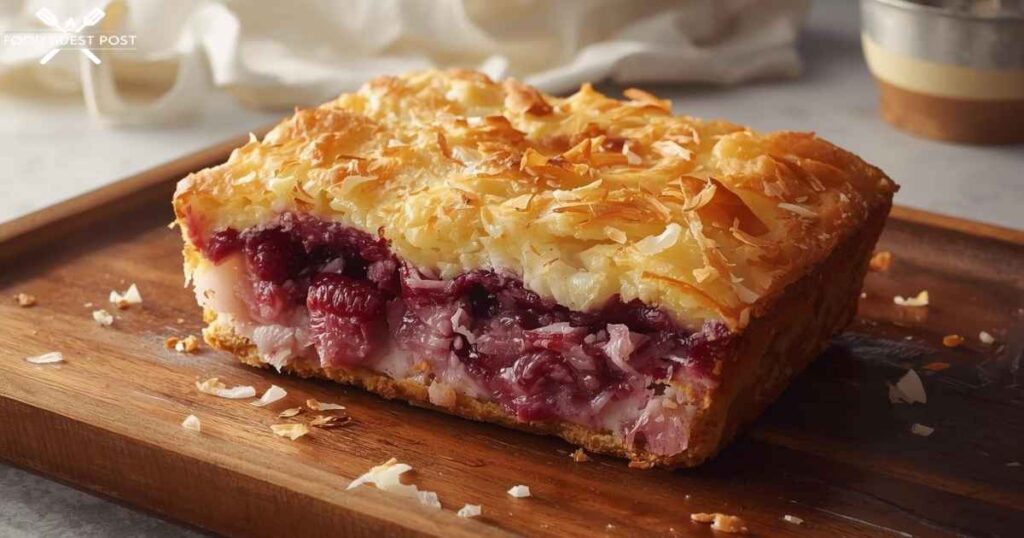
Want to lighten things up without wrecking the recipe? It’s very doable.
Swap the butter for a light coconut oil or a reduced-fat baking spread. The flavour changes slightly but stays delicious. You can also reduce the sugar by about 20 to 25 percent without affecting the structure too dramatically.
Using wholemeal self-raising flour instead of white adds fibre and gives the cake a slightly nuttier flavour. It’s a small change that makes a real nutritional difference.
If you’re watching your calories, reduce the portion size rather than overhauling the recipe completely. A smaller square is still satisfying, especially with a cup of tea.
For a dairy-free version, replace the butter with a plant-based alternative and use a non-dairy milk like oat or almond. The coconut sponge baked in tray still comes out wonderfully.
Ingredient Substitutions for Mary Berry Coconut Tray Bake
Baking doesn’t always go to plan when you’re missing something. Here’s what you can swap without compromising the result too much.
No caster sugar? Use granulated sugar, but pulse it briefly in a food processor to make it finer before using.
Out of self-raising flour? Use plain flour and add two teaspoons of baking powder per 225g of flour.
No desiccated coconut? Finely shredded coconut can work, though the texture will be slightly different. Toasted coconut flakes on top can compensate for some of that flavour depth.
Need it dairy-free? Plant-based butter and oat milk both work well here.
Avoiding refined sugar? Coconut sugar gives a warmer, slightly caramel-like flavour and works as a one-to-one replacement.
Pairing Ideas: What to Serve With Mary Berry Coconut Tray Bake
This cake is brilliant on its own, but pairing it thoughtfully takes the experience up a notch.
A classic English breakfast tea is the obvious choice. The tannins in the tea cut through the sweetness of the coconut sponge cake perfectly.
Fresh berries on the side add a tartness that contrasts nicely with the soft, sweet cake. Raspberries and strawberries work particularly well.
If you’re serving this as a dessert, a small scoop of vanilla ice cream alongside a warm slice is genuinely wonderful.
A drizzle of passion fruit curd on top adds a tropical twist that feels fresh and vibrant without being out of place.
For a fancy afternoon tea spread, arrange the squares on a tiered stand alongside finger sandwiches and scones. It fits right in and always gets compliments.
Expert Tips to Make Perfect Mary Berry Coconut Tray Bake
A few small details separate a good tray bake from a great one.
Always bring your butter and eggs to room temperature before starting. Cold ingredients don’t combine well and can cause the batter to split.
Toast your desiccated coconut lightly in a dry pan before folding it into the batter. It deepens the coconut flavour significantly and adds a lovely colour to the finished cake.
Don’t skip the milk. Even a small amount keeps the crumb moist and stops the sponge from drying out during baking.
Rotate your tin halfway through the bake if your oven runs unevenly. This ensures an even rise and consistent colour across the whole tray.
Let the cake cool completely before cutting. Slicing a warm tray bake causes it to crumble. Patience pays off here.
If you want a slightly crispier top, sprinkle a tablespoon of desiccated coconut directly on the surface before baking.
Creative Ways to Customize Mary Berry Coconut Tray Bake
Once you’ve mastered the basic recipe, the fun really begins.
Spread a thin layer of raspberry or strawberry jam over the top once the cake has cooled. Then dust with icing sugar. It looks beautiful and the flavour combination is classic.
Add lemon zest to the batter for a coconut and lemon tray bake that feels fresh and summery. A simple lemon drizzle poured over the warm cake takes it further.
Mix in some white chocolate chips for little pockets of sweetness throughout the sponge.
Try a cream cheese frosting on top for a richer, more indulgent version. Sprinkle toasted coconut over the frosting and you’ve got something that looks and tastes like a celebration.
Add a teaspoon of cardamom or ginger to the batter for a subtle spice note that makes the whole cake feel a little more interesting.
Storing Mary Berry Coconut Tray Bake the Right Way
Good news: this cake stores really well, which makes it ideal for batch baking.
Once the cake is fully cooled, cut it into squares and store them in an airtight container at room temperature. It stays fresh and moist for up to three days.
If you want to keep it longer, store it in the fridge where it’ll last up to five days. Bring it back to room temperature before serving for the best texture.
You can also freeze individual squares. Wrap each piece in cling film, place in a freezer-safe bag, and freeze for up to two months. Thaw at room temperature for a couple of hours before eating.
Avoid storing the cake while it’s still warm. Trapped steam can make the base go soft and slightly soggy.
How to Reheat Mary Berry Coconut Tray Bake (If Needed)
Reheating this bake is easy and works surprisingly well.
For a single slice, pop it in the microwave for 15 to 20 seconds on medium power. It warms through gently without drying out.
For a whole tray or several squares, place them on a baking tray, cover loosely with foil, and warm in the oven at 150°C for about 10 minutes. The foil prevents the top from over-browning.
If you’ve frozen it, always let the cake thaw fully at room temperature before reheating. Going from frozen straight to the oven can heat it unevenly.
Nutritional Breakdown (Per Serving)
Based on cutting the tray into 16 equal squares, here’s an approximate guide per serving.
Calories sit at around 210 to 230 kcal per square depending on exact ingredient brands and portion size. Total fat comes in at roughly 12g, with saturated fat at around 8g due to the butter and coconut content. Carbohydrates are approximately 25g per serving with around 14g of that being sugars. Protein is modest at about 3g per square. Fibre content is roughly 1.5g, largely from the desiccated coconut.
These are estimates and will vary based on substitutions made. If you’re tracking macros closely, inputting your exact ingredients into a nutrition calculator gives a more precise figure.
Mary Berry Coconut Tray Bake Recipe
Ingredients
- 225g unsalted butter, softened
- 225g caster sugar
- 4 large eggs, at room temperature
- 225g self-raising flour
- 100g desiccated coconut
- 2 tablespoons milk
- 1 teaspoon vanilla extract
For the optional topping:
- 2 tablespoons desiccated coconut (for sprinkling)
- Icing sugar to dust (optional)
Instructions
Preheat your oven to 180°C (160°C fan) or Gas Mark 4. Grease a 30x23cm rectangular baking tin and line it with baking parchment.
Cream the softened butter and caster sugar together in a large bowl until pale and fluffy. This takes around three to four minutes with an electric mixer.
Add the eggs one at a time, mixing well after each addition. Add a tablespoon of flour with each egg to prevent curdling.
Gently fold in the remaining self-raising flour using a rubber spatula or large spoon until just combined.
Stir in the desiccated coconut, milk, and vanilla extract. Mix until everything is evenly incorporated.
Transfer the batter to the prepared tin and smooth it out to the edges.
Sprinkle extra desiccated coconut on top if using.
Bake for 25 to 30 minutes until golden on top and a skewer inserted in the centre comes out clean.
Cool in the tin for 10 minutes, then transfer to a wire rack. Once completely cool, cut into squares.
Dust with icing sugar if desired. Serve and enjoy.
Did you make this recipe?
We’d love to know how it turned out! Leave a comment below with your experience, any tweaks you made, or a photo of your finished bake. Sharing your version helps other home bakers and keeps this community of coconut-loving enthusiasts growing.
FAQ’s
Can I use shredded coconut instead of desiccated coconut?
Yes, you can, but the texture will be slightly coarser. Desiccated coconut is finer and blends more smoothly into the sponge, so it’s the better choice for this recipe.
How do I know when the tray bake is fully cooked?
Insert a clean skewer into the centre of the cake. If it comes out with no wet batter attached, the cake is done. The top should also be golden and firm to the touch.
Can I make this recipe gluten-free?
Yes. Substitute the self-raising flour with a gluten-free self-raising blend. The texture may differ slightly but the cake still turns out well.
How long does the coconut tray bake stay fresh?
Stored in an airtight container at room temperature, it stays fresh for up to three days. In the fridge, it lasts up to five days.
Can I add icing to the top of the Mary Berry Coconut Tray Bake Recipe?
Absolutely. A simple glace icing made with icing sugar and a little water works beautifully. You can also add coconut milk instead of water for extra flavour depth.

Logan Reid is a food content strategist passionate about digital storytelling and SEO growth. With years of culinary and marketing experience, he helps food bloggers and brands boost visibility through authentic, data-driven strategies. His work blends creativity, expertise, and trust, making every collaboration a recipe for lasting online success.