

There’s something deeply comforting about a bowl of homemade vegetable soup. It warms you from the inside out. And when the recipe comes from Mary Berry, you already know it’s going to be good. Simple, honest, and full of flavour.
Maybe you’ve been searching for an easy vegetable soup recipe that doesn’t require fancy skills or a pantry full of obscure ingredients. Or perhaps you just want something nutritious and filling that the whole family will actually eat. Either way, you’re in the right place.
What is Mary Berry Vegetable Soup?
Mary Berry is one of Britain’s most beloved home cooks. She’s known for recipes that are approachable, reliable, and genuinely delicious. Her vegetable soup is a classic British vegetable soup in every sense. It’s built on a simple onion, carrot, and celery soup base, enriched with good vegetable stock and seasoned with herbs like thyme and bay leaf.
What makes it stand out isn’t anything complicated. It’s the technique. Sautéing vegetables gently in olive oil before adding stock brings out a depth of flavour that rushing simply cannot replicate. The result is a hearty vegetable soup that tastes like it’s been cooking all day, even when it hasn’t.
It can be served chunky or blended smooth, depending on your preference. That flexibility alone makes it a recipe worth keeping.
Read More: Easy Mary Berry Lancashire Hotpot Recipe
Why This Recipe is Worth Trying
Let’s be honest. There are hundreds of vegetable soup recipes online. So why this one?
First, it works every single time. The method is straightforward, and the ingredients are things you likely already have. Second, it’s genuinely good for you. A healthy vegetable soup packed with fibre-rich vegetables gives your body real nutrition without any guilt. Third, it’s endlessly adaptable. Got leftover potatoes? Add them. Have courgettes sitting in the fridge? Throw them in.
This is also a brilliant make-ahead vegetable soup recipe. Make a big pot on Sunday and you’ve got easy lunches sorted for the week. It’s a comforting winter soup on cold days and a light, satisfying meal in warmer months too.
If you’ve never made homemade vegetable soup from scratch before, this is exactly where to start.
Essential Ingredients to Make Mary Berry Vegetable Soup
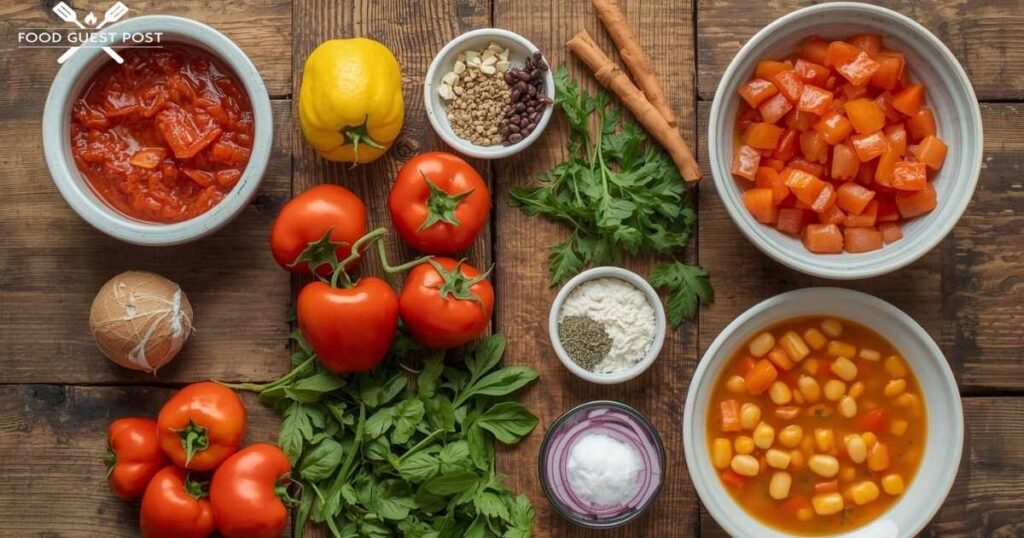
You don’t need anything exotic here. The beauty of this traditional vegetable soup recipe lies in its simplicity.
- 2 tablespoons olive oil
- 1 large onion, diced
- 2 medium carrots, chopped
- 2 celery stalks, sliced
- 3 garlic cloves, minced
- 2 medium potatoes, peeled and cubed
- 1 courgette, chopped
- 400g tinned tomatoes or 2 fresh tomatoes, chopped
- 1.2 litres good quality vegetable stock
- 1 teaspoon dried thyme
- 2 bay leaves
- Salt and black pepper to taste
- Fresh parsley to garnish
These are your foundation. The olive oil sautéed vegetables form the flavour base. The simmered vegetable broth brings everything together into a smooth, cohesive dish.
Handy Kitchen Tools for Best Results
You don’t need to spend a fortune on equipment. But having the right tools makes a real difference.
A large, heavy-bottomed saucepan or Dutch oven is ideal. It distributes heat evenly and prevents burning. A sharp chef’s knife speeds up your vegetable prep considerably. A wooden spoon for stirring, a ladle for serving, and a hand blender if you prefer a blended vegetable soup texture.
That’s genuinely all you need. Keep it simple.
Step-by-Step Guide to Making Mary Berry Vegetable Soup
Step 1: Prepare vegetables
Wash, peel, and chop all your vegetables before you start cooking. Dice the onion finely. Cut the carrots, potatoes, and courgette into similarly sized pieces. This ensures even cooking throughout. Mise en place, as chefs call it, makes the whole process smoother.
Step 2: Sauté the base
Heat the olive oil in your large saucepan over medium heat. Add the onion, carrot, and celery. Cook gently for around 8 to 10 minutes, stirring occasionally, until the vegetables soften and the onion turns translucent. Add the garlic and thyme and stir for another minute. This is where the flavour foundation gets built. Don’t rush it.
Step 3: Add remaining vegetables
Now add the potatoes, courgette, and tomatoes. Stir everything together so the vegetables are coated in the aromatic base. Pour in the vegetable stock and drop in your bay leaves. Give it a good stir.
Step 4: Simmer the soup
Bring the soup to a gentle boil, then reduce the heat and let it simmer for 20 to 25 minutes. The soup simmering technique here is key. Low and slow allows the flavours to deepen and the potatoes to cook through without going mushy. Keep the lid slightly ajar.
Step 5: Adjust seasoning
Once the vegetables are tender, taste the soup. This is your moment. Add salt and black pepper as needed. If it tastes flat, a small splash of lemon juice can brighten everything up instantly. Remove the bay leaves before serving.
Step 6: Serve hot
Ladle into bowls and garnish with freshly chopped parsley. If you want a chunky vegetable soup, serve as is. If you prefer something smoother, use a hand blender to partially or fully blend the soup. Both versions are wonderful.
What I Got Wrong (And How I Fixed It)
The first time I made this soup, I rushed the sauté step. I cranked the heat up high, thinking it would save time. Big mistake. The vegetables browned unevenly and the flavour tasted slightly bitter. The second time, I kept the heat at medium, took my time, and the difference was night and day.
I also used a cheap, watery vegetable stock the first time around. It made the soup taste thin and uninspiring. Swapping to a proper, good-quality stock or even a homemade version transformed the entire dish. Don’t skimp on the stock. It carries the whole soup.
Another thing I learnt. Adding potatoes too late means they stay firm. Add them early alongside the other hearty vegetables so they cook all the way through.
Healthier Ways to Make Mary Berry Vegetable Soup

This is already a nutritious homemade soup, but there are easy ways to boost it further.
Swap regular potatoes for sweet potatoes to add beta-carotene and a slight natural sweetness. Add a handful of red lentils during the simmering stage. They dissolve into the soup and add protein and extra fibre without altering the flavour much. Toss in spinach or kale in the final few minutes of cooking for an added nutritional punch.
If you’re watching your sodium intake, use a low-sodium vegetable stock and season carefully at the end. You’ll still get all the depth of flavour without the excess salt. This is a healthy fibre-rich soup at its core, and small tweaks make it even better.
Ingredient Substitutions for Mary Berry Vegetable Soup
Cooking is about working with what you have. Here’s how to adapt without compromising flavour.
No celery? Use fennel instead. It adds a slightly different but equally interesting aromatic note. No courgette? Swap in green beans or peas. Out of fresh garlic? Garlic powder works in a pinch. Use half a teaspoon. No dried thyme? Rosemary or herbes de Provence both complement this soup beautifully.
For a richer, creamier version, stir in a splash of coconut milk or a dollop of crème fraiche just before serving. It transforms the texture without overpowering the vegetables. You can also use chicken stock instead of vegetable stock if you’re not keeping this vegetarian.
Pairing Ideas: What to Serve With Vegetable Soup
A good soup deserves a good companion. Crusty sourdough bread is the classic choice, and for good reason. It soaks up the broth beautifully. A warm cheese scone alongside works brilliantly for a more traditional British feel.
If you want something lighter, a simple green salad with a sharp vinaigrette cuts through the warmth of the soup nicely. For a heartier meal, serve the soup with a thick slice of granary bread and mature cheddar on the side. Simple and deeply satisfying.
Expert Tips for Vegetable Soup Success
Cut vegetables into even-sized pieces. This ensures everything cooks at the same rate. Unevenly cut vegetables means some will be mushy while others are still firm.
Never skip the sauté step. Those first 10 minutes of cooking the onion, carrot, and celery in olive oil are where the soul of the soup is built.
Taste as you go. Season at the end, not just the beginning. Flavours concentrate as the soup simmers.
Use bay leaf flavoured soup to your advantage. Bay leaves add a subtle, almost floral depth. Just remember to remove them before serving or blending.
If you have time, let the soup sit for 10 minutes after cooking before serving. The flavours settle and deepen noticeably.
Creative Ways to Customize Vegetable Soup
This seasonal vegetable soup is a blank canvas. Work with whatever is fresh and available.
In spring, add asparagus tips and peas for brightness. In summer, throw in fresh tomatoes and courgettes. Autumn calls for butternut squash and leeks. Winter is perfect for parsnips and swede.
You can also add cooked pasta or pearl barley to make the soup more substantial. A swirl of pesto on top just before serving adds a vibrant herby finish. A sprinkle of parmesan, a drizzle of truffle oil, or even a poached egg floating on top all work surprisingly well if you’re feeling adventurous.
Storing Vegetable Soup the Right Way
Good news. This soup stores brilliantly. Let it cool completely before transferring to an airtight container. It keeps well in the fridge for up to four days. The flavours actually improve overnight, so leftovers are often better than the original serving.
For longer storage, freeze it in individual portions. Use freezer-safe containers or zip-lock bags laid flat to save space. It freezes well for up to three months. Label each container with the date so you’re not guessing later.
One tip. If you plan to freeze the soup, consider holding back on adding potatoes. They can turn slightly grainy after freezing and reheating. Add freshly cooked potatoes when you reheat instead.
How to Reheat Vegetable Soup
Reheating is straightforward. Pour the soup into a saucepan and warm it gently over medium-low heat, stirring occasionally. Don’t let it boil vigorously. That breaks down the vegetables further and dulls the flavour.
From frozen, let the soup thaw overnight in the fridge first. Then reheat on the hob as above. If you’re in a hurry, use the microwave in short 90-second bursts, stirring in between. Add a small splash of water or stock if it looks too thick after reheating.
Nutritional Breakdown (per serving)
This soup is genuinely good for you. Here’s a rough guide based on a standard serving.
| Nutrient | Approximate Amount |
| Calories | 150 to 180 kcal |
| Carbohydrates | 25g |
| Protein | 4g |
| Fat | 5g |
| Fibre | 6g |
| Sodium | 400 to 500mg |
Values will vary depending on exact ingredients and portion size. The vegetable soup nutrition information above is a general guide. Adding lentils or pasta will increase calories and protein. Using low-sodium stock reduces the sodium figure significantly.
Mary Berry Vegetable Soup Recipe
Ingredients
- 2 tablespoons olive oil
- 1 large onion, diced
- 2 medium carrots, peeled and chopped
- 2 celery stalks, sliced
- 3 garlic cloves, minced
- 2 medium potatoes, peeled and cubed
- 1 medium courgette, chopped
- 400g tinned tomatoes
- 1.2 litres vegetable stock
- 1 teaspoon dried thyme
- 2 bay leaves
- Salt and black pepper to taste
- Fresh parsley to garnish
Instructions
Heat olive oil in a large saucepan over medium heat. Add the onion, carrot, and celery. Sauté for 8 to 10 minutes until softened. Add garlic and thyme, stir for one minute.
Add potatoes, courgette, and tinned tomatoes. Stir to combine. Pour in the vegetable stock and add the bay leaves. Bring to a gentle boil.
Reduce heat and simmer for 20 to 25 minutes until all vegetables are tender. Remove the bay leaves. Season with salt and pepper. Blend partially or fully if desired, or serve as a chunky soup.
Ladle into bowls and garnish with fresh parsley. Serve immediately with crusty bread.
Preparation time: 15 minutes. Cooking time: 30 minutes. Serves: 4 to 6.
Did you make this recipe?
If you tried this Mary Berry vegetable soup recipe, we’d love to hear how it turned out. Did you blend it smooth or keep it chunky? Did you add any extra vegetables or put your own twist on it? Drop a comment below and share your experience. Your feedback genuinely helps others who are trying this recipe for the first time.
FAQ’s
Can I make Mary Berry vegetable soup ahead of time?
Yes, absolutely. This soup tastes even better the next day as the flavours have more time to develop. Store it in the fridge for up to four days or freeze for up to three months.
Can I blend the soup completely?
You can. A fully blended vegetable soup has a smooth, velvety texture that’s incredibly satisfying. Use a hand blender directly in the pot or transfer to a countertop blender in batches. Just be careful with hot liquid.
What vegetables work best in this soup?
Carrots, potatoes, celery, and onion form the classic base. Beyond that, courgette, leeks, parsnips, swede, and green beans all work beautifully. Use what’s seasonal and fresh for the best results.
Is this soup suitable for freezing?
Yes, it freezes very well. Cool it completely before freezing in airtight containers. If you plan to freeze, consider leaving out the potatoes as they can change texture slightly after thawing.
How do I make the soup thicker?
The easiest way is to blend a portion of the soup and stir it back in. You can also add red lentils during cooking. They break down naturally and thicken the soup without needing any cream or flour.

Logan Reid is a food content strategist passionate about digital storytelling and SEO growth. With years of culinary and marketing experience, he helps food bloggers and brands boost visibility through authentic, data-driven strategies. His work blends creativity, expertise, and trust, making every collaboration a recipe for lasting online success.